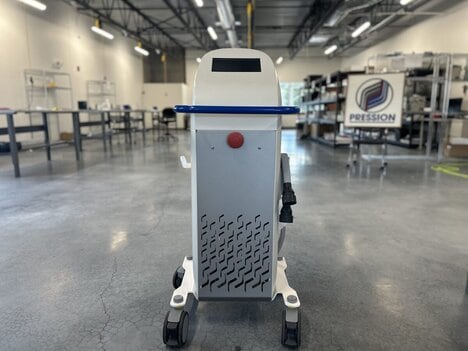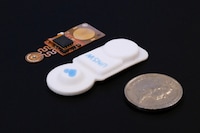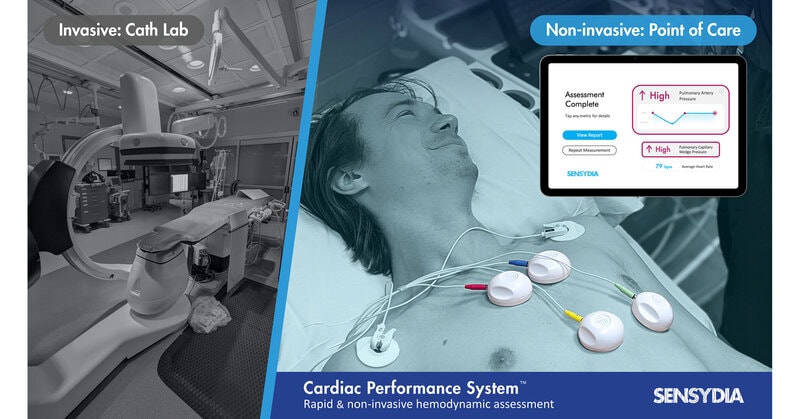
Sensydia is backing its 'Cardiac Performance System,' or CPS, with more than $6 million in new financing to advance the non-invasive heart-assessment device toward FDA review and market preparation. The device is designed for clinicians managing heart failure and pulmonary hypertension, providing pulmonary pressure readings in offices, clinics, and other care settings without threading a catheter into the heart.
CPS reads acoustic and electrical signals and uses AI to convert them into cardiac-function data. In July 2026, Category III CPT code 1036T was introduced for non-invasive hemodynamic exams that combine passive signal capture, algorithmic review, and physician interpretation, the same structure CPS uses.
The July 2026 CPT code and the $6 million round have moved CPS beyond a research tool toward a billable office workflow. FDA authorization would expand where pressure-based heart assessment can occur and reduce reliance on cath-lab access.
Image Credit: Sensydia
What Makes This Trend Stand Out
- Non-invasive Hemodynamics
- Catheter-free pressure assessment creates room for office-based cardiac monitoring models that reduce procedural burden while expanding access beyond cath labs.
- Acoustic-AI Diagnostics
- Signal-based platforms that translate acoustic and electrical data into clinical insights represent a shift toward lower-friction cardiovascular decision support.
- Billable Digital Cardiology
- Emerging CPT pathways for algorithm-assisted exams strengthen commercialization prospects for AI-enabled tools that fit into reimbursable care workflows.
Sectors Adopting This
- Cardiovascular Care
- Heart failure and pulmonary hypertension management may be reshaped by non-invasive tools that provide pressure insights in routine clinical settings.
- Medical Devices
- Regulated device makers have an opening to develop hardware-software systems that combine passive sensing, AI interpretation, and physician review.
- Healthcare Reimbursement
- New coding structures can accelerate adoption of diagnostic technologies by linking novel clinical workflows with payment-ready service models.