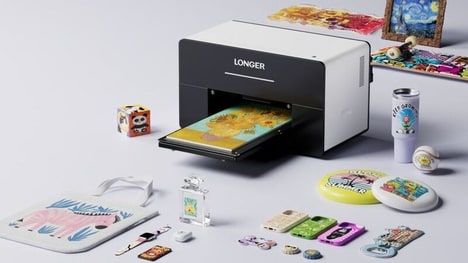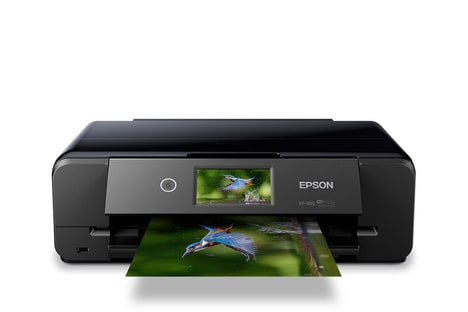
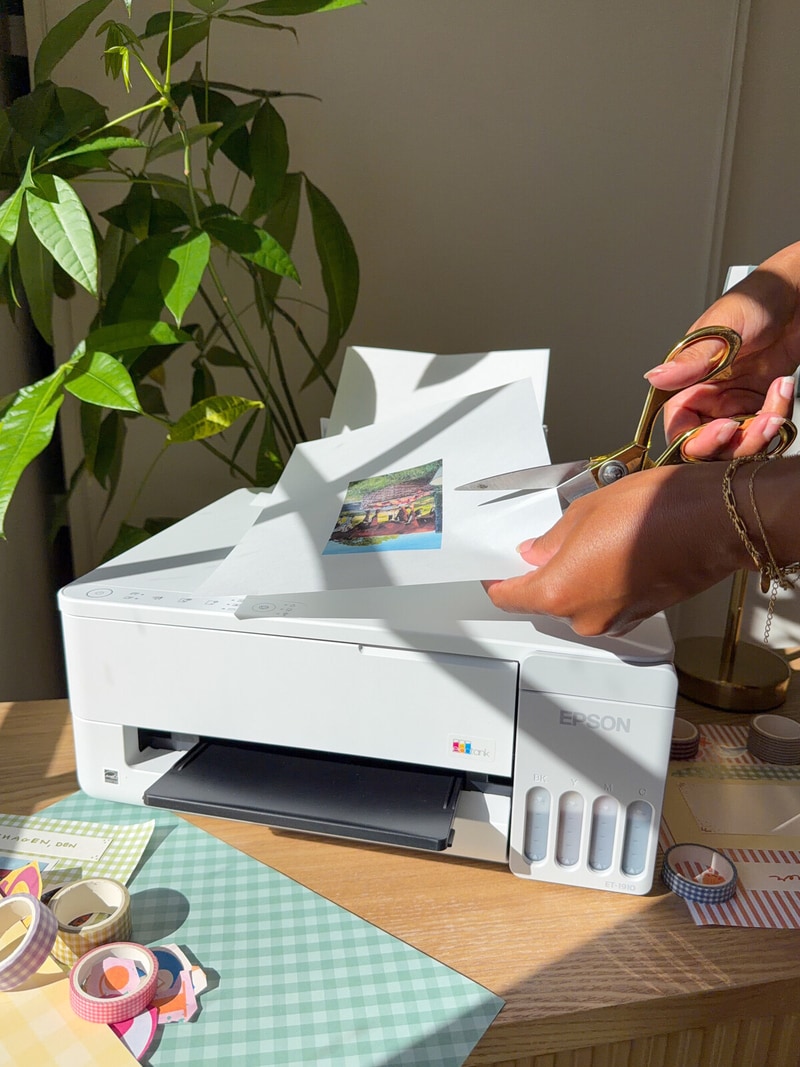
Epson has expanded its seventh generation of cartridge-free printers with the introduction of three new models — the EcoTank ET-1910, ET-2900, and ET-4903. These innovations are designed to cater to the growing consumer interest in hands-on hobbies like journaling, scrapbooking, and crafting by making high-quality printing more financially accessible.
Epson's EcoTank product line update is particularly notable for including the EcoTank ET-1910, which stands as the company's most inexpensive supertank printer ever offered. This device is part of the company's strategic move to lower the barrier to entry for households and creatives who have been deterred by the high upfront costs traditionally associated with inkjet printers.
The core innovation of the cartridge-free printers remains, namely, the proprietary cartridge-free system, which ships with enough ink to sustain typical home use for up to three years.
Image Credit: Epson
What Makes This Trend Stand Out
- Cartridge-free Home Printing
- Low-cost supertank printers are reshaping home printing economics by reducing dependence on replacement cartridges and making long-term creative output more affordable.
- Craft-centric Printer Design
- Rising interest in journaling, scrapbooking, and DIY hobbies creates room for printers tailored to high-quality personal projects, specialty papers, and repeat creative use.
- Long-life Ink Bundling
- Multi-year ink supplies bundled with devices shift consumer expectations toward lower maintenance, clearer ownership costs, and reduced friction in everyday printing.
Sectors Adopting This
- Consumer Electronics
- Affordable cartridge-free devices signal new competitive pressure in household hardware, where lifetime value and consumable savings increasingly influence purchasing decisions.
- Arts and Crafts
- Accessible high-quality printing expands the creative toolkit for hobbyists and independent makers, supporting more personalized physical media production at home.
- Office Supplies
- Printer models with extended ink capacity alter demand patterns for cartridges and refill products, creating new assortment strategies around bulk ink and low-waste supplies.