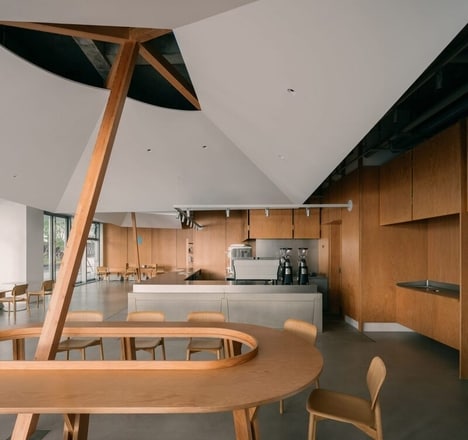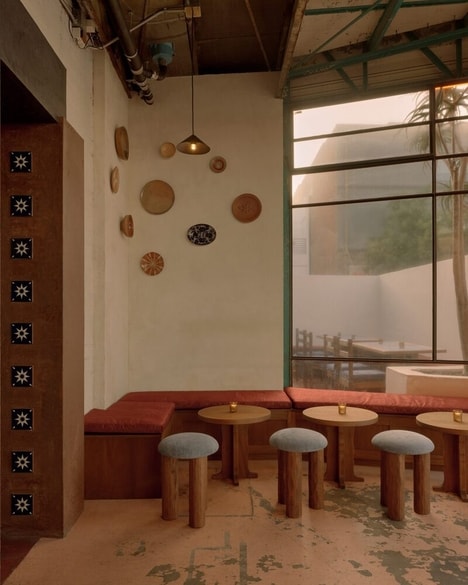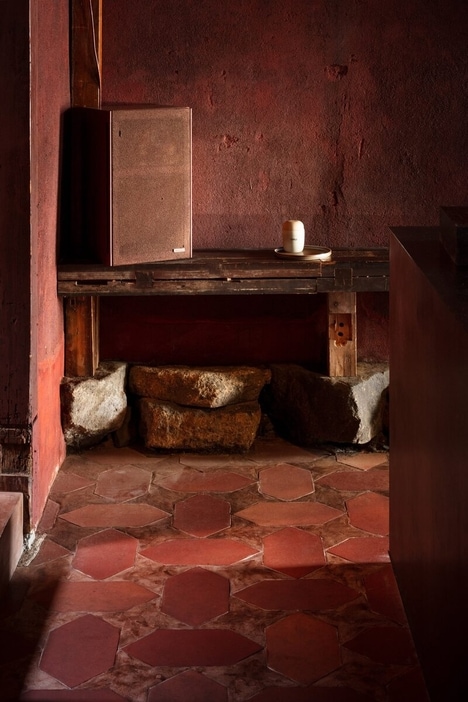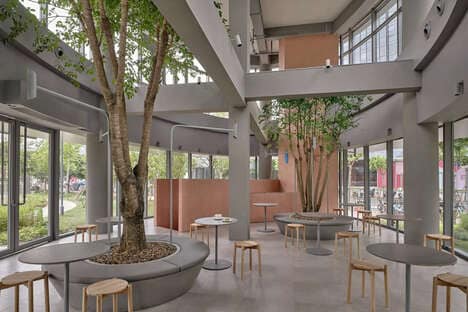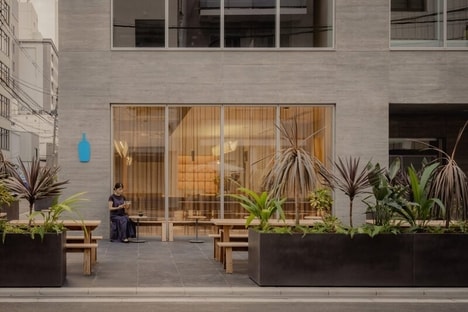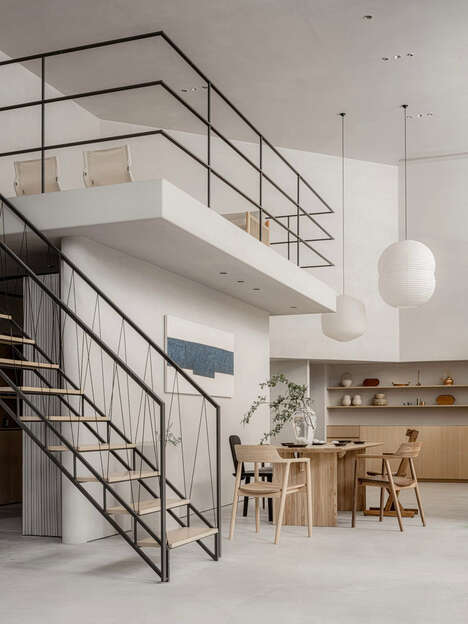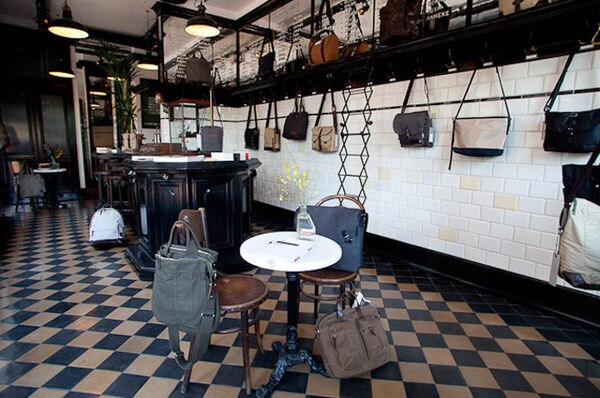
Swiss-Danish designer Carsten Jorgensen has designed this cozy and welcoming interior for the Taiwanese tea brand smith&hsu in Taipei.
Combining wooden furnishings with a concrete floor may seem odd, but Carsten Jorgensen has managed to merge these two seemingly disparate elements into an inviting atmosphere for smith&hsu's patrons.
According to the smith&hsu teahouse, the two materials chosen by Carsten Jorgensen, wood and concrete, "reflect the subtlety of a great tea and trigger the guests’ aesthetic sensibility."
The new two-storey teahouse features cubed shelves filled with jars tea and second-hand books, as well as wooden display boxes that are suspended from the ceiling, describes Dezeen. The second floor is a dining area, while the lower floor is used for the tea shop, offering loose teas from around the world and expertly crafted tea tools.
Why This Trend Is Growing
- Industrial-natural Fusion
- The trend of combining industrial and natural elements in interior design creates unique and inviting spaces.
- Multi-purpose Spaces
- The trend of utilizing spaces for multiple purposes, such as a tea shop and dining area, offers convenience and flexibility to customers.
- Sensory Atmosphere
- Creating an atmosphere that triggers guests' aesthetic sensibility and enhances the sensory experience is a growing trend in hospitality.
Industries Being Reshaped
- Interior Design
- Interior design firms can explore innovative ways to blend industrial and natural elements in their designs, catering to clients who seek unique and inviting spaces.
- Hospitality
- Restaurants, cafes, and tea houses can adopt multi-purpose spaces to provide a flexible dining experience and attract a wider range of customers.
- Tea Industry
- Tea brands can focus on creating sensory atmospheres in their establishments to enhance customers' tea-drinking experience and differentiate themselves from competitors.