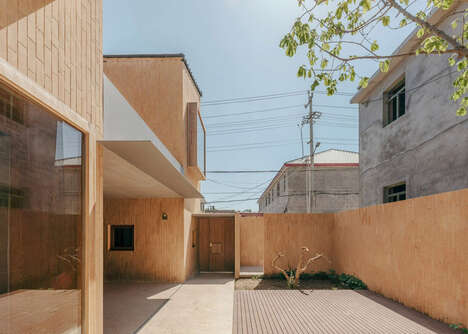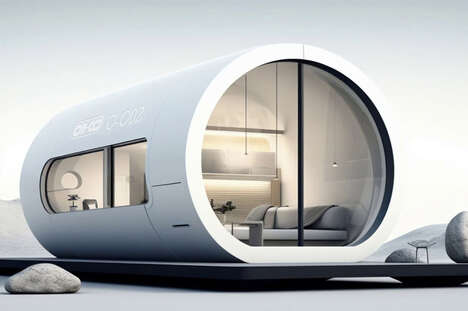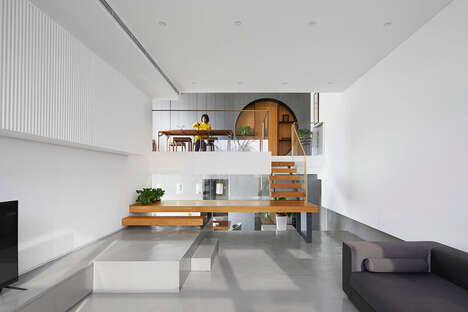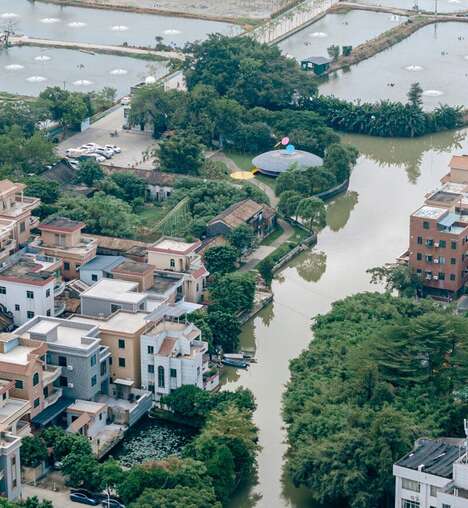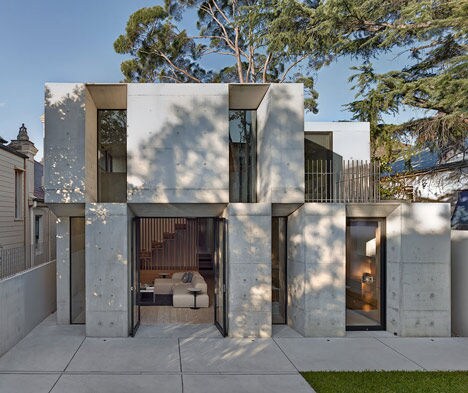
Futuristic architecture fans are going to love the Beijing House II. This conceptual house was designed by Yaohua Wang Architecture to be both innovative and earthquake-resistant. It attaches to the side of an existing structure -- in this case, an old Beijing factory -- and features three different living spaces.
The three rooms of the house consist of a bedroom, a studio and a green room (possibly a garden). How the house is earthquake-resistant is unknown, but there are portholes on its underside that look like they could be used as thrusters. According to Yaohua Wang Architecture, Beijing House II will cost $2 million to build and will be completed in the year 2015.
Key Themes Behind This Trend
- Futuristic Architecture
- Designing innovative and earthquake-resistant structures with a futuristic aesthetic.
- Earthquake-proof Housing
- Developing housing solutions that can withstand the impact of natural disasters, particularly earthquakes.
- Adaptive Living Spaces
- Creating living spaces that can be attached to existing structures, offering flexibility and versatility.
Where This Applies
- Architecture and Construction
- Incorporating advanced engineering techniques into building design to create earthquake-resistant structures.
- Real Estate
- Offering earthquake-proof housing options as a selling point for buyers concerned about natural disasters.
- Interior Design and Furnishings
- Designing adaptable and multi-functional furniture and fixtures for flexible living spaces.