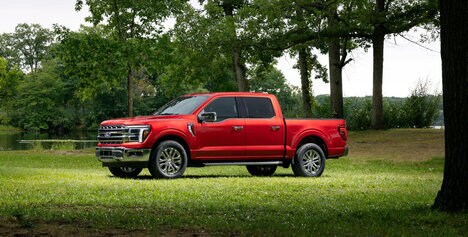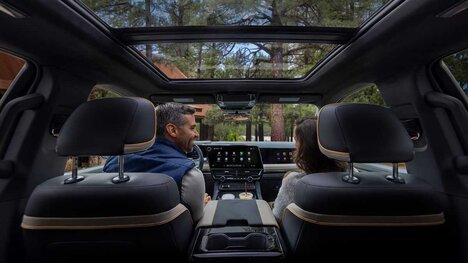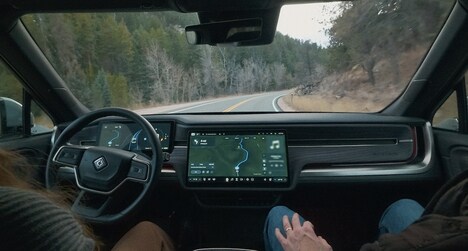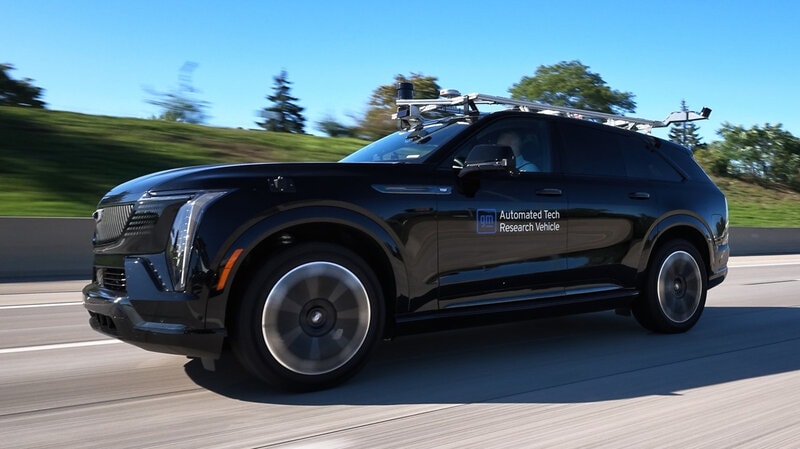
GM is adding Level 3 autonomous driving to more of its vehicles, letting the car take over the driving task on certain routes while the driver does other things in the cabin. The system debuts on the 2028 Cadillac Escalade IQ and then rolls out to other models, including the next Chevy Silverado, as part of GM's move toward door-to-door autonomy.
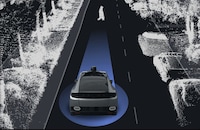
A turquoise dashboard light tells Escalade IQ drivers when it is safe to relax, while an external light on the mirror housings could warn nearby drivers that the vehicle is in autonomous mode. The setup also relies on lidar and a liquid-cooled central compute unit that is about 40 times more powerful than today's car computers.
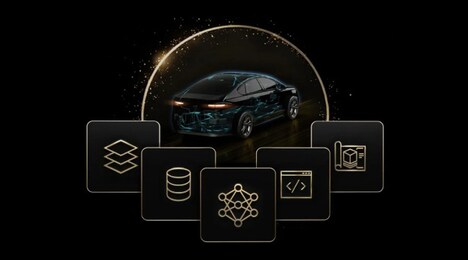
That centralized architecture turns autonomy into a platform shift, not just a feature add-on. By building one brain for driving, safety and propulsion, GM can extend the same system across high-volume SUVs, trucks and electric vehicles more efficiently.
Image Credit: GM
Key Themes Behind This Trend
- Level 3 Consumer Autonomy
- Hands-off driving on approved routes creates new demand for in-cabin productivity, entertainment and comfort experiences while vehicles manage more of the journey.
- Centralized Vehicle Computing
- Unified compute architectures enable automakers to scale autonomy, safety and propulsion software across model lines with fewer hardware differences.
- Visible Autonomous Signaling
- External indicators for self-driving mode introduce opportunities for standardized vehicle-to-human communication that improves trust among pedestrians and nearby drivers.
Where This Applies
- Automotive
- Mainstream integration of Level 3 systems in SUVs and trucks reshapes competitive differentiation around software capability rather than mechanical performance alone.
- Semiconductors
- Higher-performance, liquid-cooled compute units expand demand for specialized chips that can process sensor data and autonomous driving decisions in real time.
- Mobility Services
- Door-to-door autonomy supports future transportation models where personally owned vehicles, premium subscriptions and automated fleet services increasingly overlap.