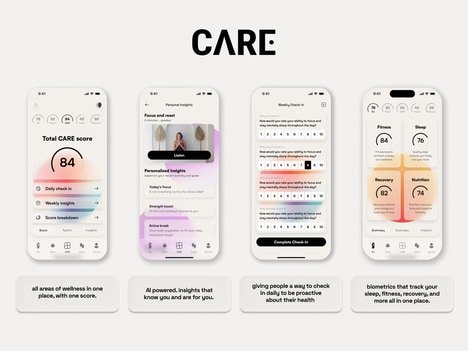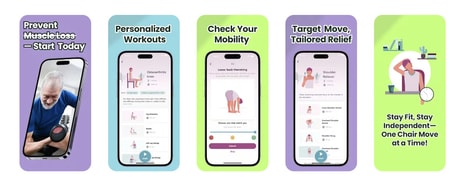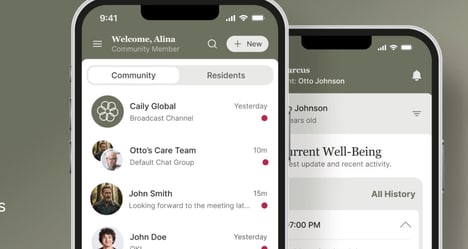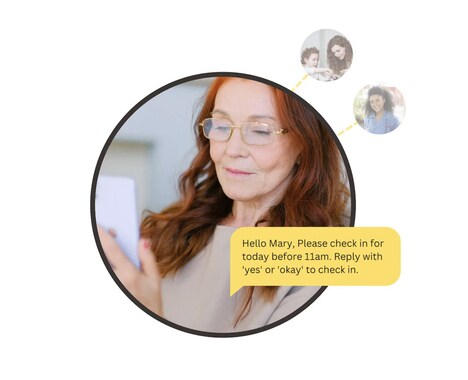
Kindable is introducing AI-powered senior check-ins through Loved, a mobile platform designed to support older adults living independently. Its virtual assistant, Claire, makes scheduled phone calls to discuss daily well-being, including sleep, mood, appetite, and medication routines. The assistant remembers previous conversations, provides reminders, and identifies concerns that may require attention. Following each call, family members receive summaries and updates through the app. Loved also converts requests for assistance into shared tasks, allowing caregivers to coordinate responsibilities without requiring seniors to use additional devices.
The platform offers Kindable an opportunity to address growing demand for accessible home-based caregiving support. By combining companionship, wellness tracking, and family coordination, Loved provides multiple services within one platform. Its compatibility with standard phones reduces technological barriers for older adults, while shared calendars and automated notifications help families manage caregiving responsibilities more efficiently.
Image Credit: Kindable
Why This Trend Is Growing
- AI Elder Companions
- Voice-based assistants that remember routines and emotional cues create openings for more personalized, low-friction senior wellness monitoring.
- Family Care Coordination
- Shared updates, task conversion, and automated summaries point to new models for distributed caregiving across busy households.
- Phone-based Health Access
- Standard phone compatibility expands digital care participation among older adults who may resist apps, wearables, or unfamiliar devices.
Industries Being Reshaped
- Elder Care
- Home-based monitoring platforms are reshaping independent living support by blending companionship, safety checks, and caregiver visibility.
- Digital Health
- AI-driven daily wellness conversations introduce richer passive health insights that sit between telehealth visits and emergency interventions.
- Caregiver Technology
- Integrated calendars, reminders, and family notifications signal a growing market for tools that reduce coordination burdens in informal care networks.