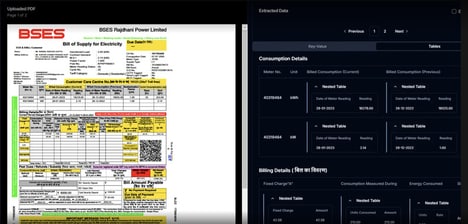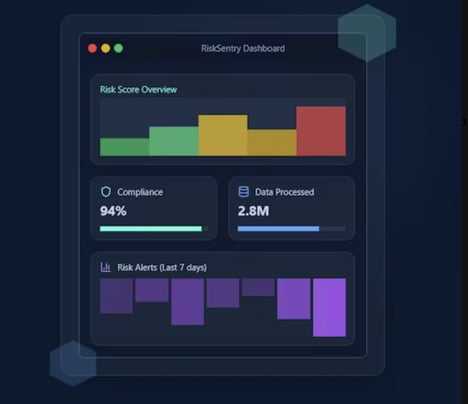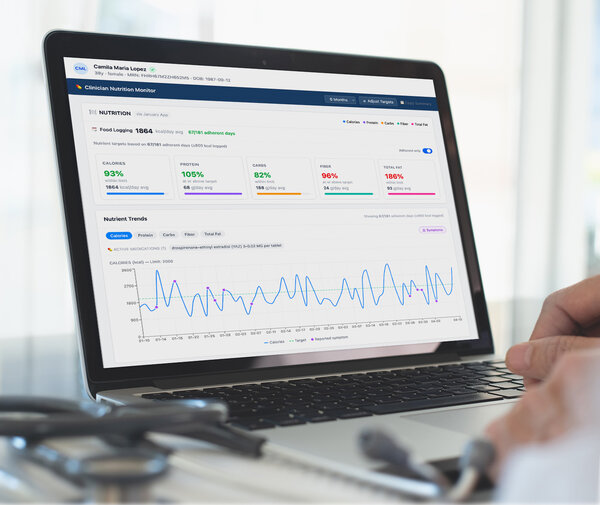

Convr is expanding commercial underwriting with 'Scout,' a feature in its AI Underwriting Workbench Answers module that helps insurers fill in thin business records and move small-account reviews faster toward a quote. Built for small commercial risks with sparse online information, it turns a basic submission into a clearer picture of the business, eliminating the usual back-and-forth research.
Using only a business name and address, Scout taps Convr's Risk Context Engine to build a single insurance-ready record. That can replace scattered browser tabs and missing forms with a faster read on whether an account aligns with appetite and is ready to price.
For insurers, this means fewer small-account decisions have to wait for basic fact-finding before a quote can move forward. Underwriting tech that only routes submissions, rather than filling in the missing picture, starts to look like the slower option.
Image Credit: Convr
Key Themes Behind This Trend
- AI-enriched Submissions
- Sparse business applications are becoming fuller underwriting profiles through automated data gathering, creating room for faster quote generation and lower servicing costs in small commercial insurance.
- Name-and-address Intelligence
- Minimal identifiers can now unlock contextual risk records, signaling opportunities for platforms that convert incomplete customer inputs into decision-ready business data.
- Small-account Automation
- Low-premium commercial risks are increasingly viable for advanced automation as AI reduces manual research, helping insurers serve fragmented markets more profitably.
Where This Applies
- Commercial Insurance
- Underwriters can benefit from AI systems that consolidate scattered business signals into insurance-ready records, reshaping how carriers evaluate small and mid-sized accounts.
- Insurtech
- Data-enrichment tools are expanding beyond workflow routing into active risk interpretation, opening differentiation for vendors that shorten the path from submission to quote.
- Business Data Services
- Providers of firmographic and risk-context data are positioned to support AI-driven underwriting by turning public and proprietary sources into structured commercial intelligence.