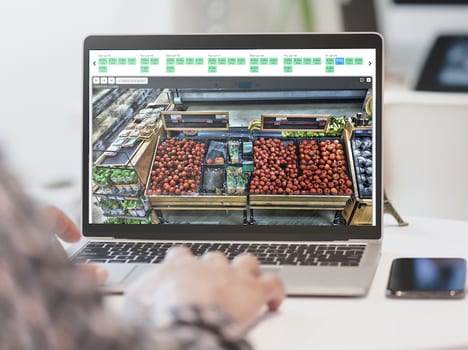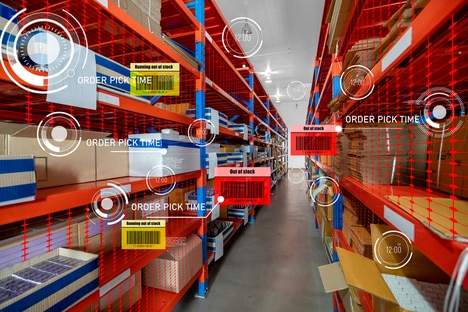

Shelf digitization strategies are reshaping how retailers approach store operations by emphasizing shelf-level data as the foundation for broader digital transformation. According to Coresight Research, retailers that digitize shelves before deploying pricing, merchandising, and supply chain technologies are better positioned to reduce inefficiencies and improve execution. Real-time shelf visibility enables faster inventory tracking, more accurate pricing, stronger replenishment, and improved online order fulfillment, while helping store associates spend less time on manual tasks. Companies such as Simbe and RELEX Solutions are promoting this data-first model to support more connected retail ecosystems.
For retailers, this signals a shift from adopting standalone technologies to building integrated store intelligence platforms. Organizations that establish accurate shelf data first can maximize returns on future AI and automation investments, improve operational consistency, and create more responsive shopping experiences while reducing costly inventory and merchandising errors.
Image Credit: Simbe Robotics
Why This Trend Is Growing
- Shelf-level Intelligence
- Real-time product visibility at the shelf creates new value in store operations by turning physical retail environments into continuously updated data sources.
- Data-first Retail Automation
- Prioritizing accurate store data before automation expands the potential for AI-driven pricing, replenishment, and merchandising systems to perform with greater precision.
- Integrated Store Platforms
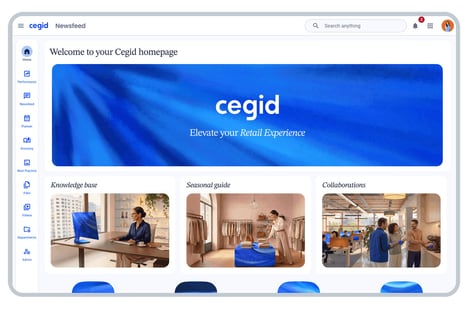
- Connected retail ecosystems are emerging as retailers move beyond isolated tools toward unified platforms that coordinate inventory, fulfillment, and associate workflows.
Industries Being Reshaped
- Retail Technology
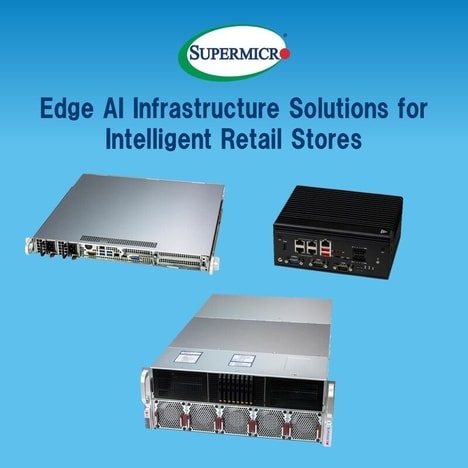
- Shelf digitization strengthens the market for robotics, computer vision, and analytics providers that translate in-store conditions into actionable operational intelligence.
- Grocery Retail
- High-frequency inventory changes in grocery environments create strong demand for digital shelf systems that reduce stockouts, pricing errors, and fulfillment gaps.
- Supply Chain Management
- More accurate shelf data improves downstream forecasting and replenishment models, linking store-level execution more directly with warehouse and logistics planning.