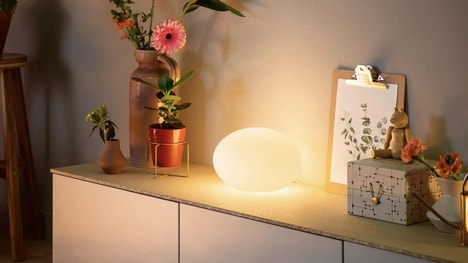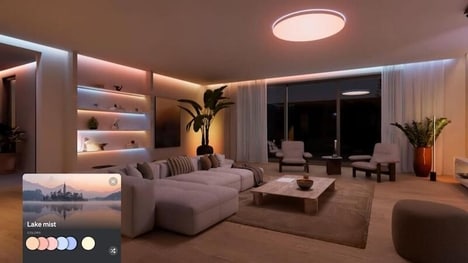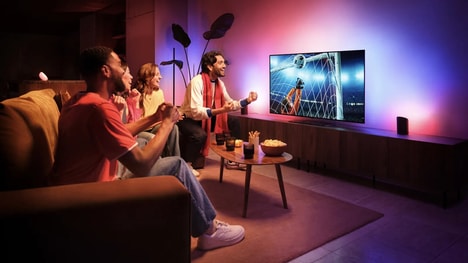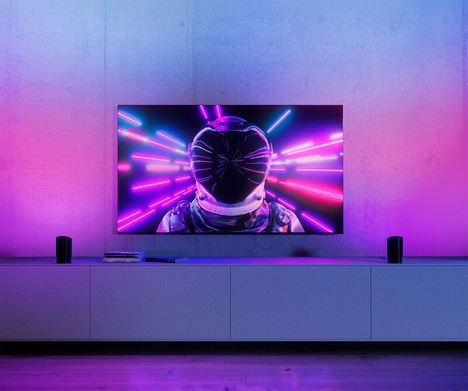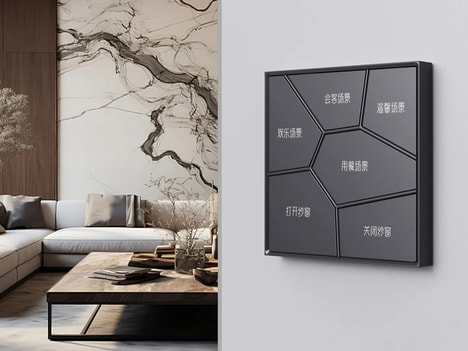
Integrated home lighting is transforming smart homes by bringing traditional fixtures, connected bulbs, and entertainment lighting into a unified control system. Philips Hue has expanded its ecosystem with wired wall switches that enable app-based control of compatible conventional lights alongside smart lighting, while new Play table and floor lamps deliver synchronized lighting for movies, gaming, and music. The company also introduced next-generation candle bulbs featuring full-spectrum daylight technology, improved energy efficiency, and Matter compatibility, giving users more flexibility to personalize lighting throughout the home.
For smart home brands, integrating conventional and connected lighting into one platform lowers adoption barriers by allowing consumers to upgrade existing fixtures without replacing every bulb. Unified lighting ecosystems also create opportunities to expand services through entertainment features, automation, and cross-device compatibility. As interoperability becomes increasingly important, integrated home lighting platforms can strengthen customer loyalty while encouraging broader adoption of connected home technologies.
Image Credit: Philips Hue
What's Driving This Trend
- Unified Lighting Ecosystems
- Platforms that merge wired switches, conventional fixtures, and smart bulbs create new value by making connected-home upgrades compatible with existing household infrastructure.
- Entertainment-synced Illumination
- Immersive lamps tied to movies, gaming, and music signal opportunities for lighting systems to become experiential media extensions rather than purely functional home products.
- Interoperable Smart Controls
- Matter-compatible lighting and app-based controls highlight a shift toward open smart-home environments where cross-device coordination can reduce friction and expand consumer adoption.
Who This Affects Most
- Smart Home Technology
- Connected platforms that integrate legacy and smart devices position smart-home brands to build stickier ecosystems around automation, personalization, and everyday convenience.
- Consumer Electronics
- Lighting products with entertainment synchronization and app connectivity blur the boundary between home electronics and ambient design, creating room for hybrid device categories.
- Home Improvement
- Retrofit-friendly switches and efficient bulbs give renovation and fixture markets a pathway to modernize homes without requiring full electrical or product replacement.