When filmmamker Eadweard Muybridge first discovered cinema, he did something similar to São Paulo, Brazil-based artist Lucas Simões -- he used several photographs together to recreate one single action. Similarly, Simões weaves a series of sequential photos to produce a sense of motion and, thus, create a short story.
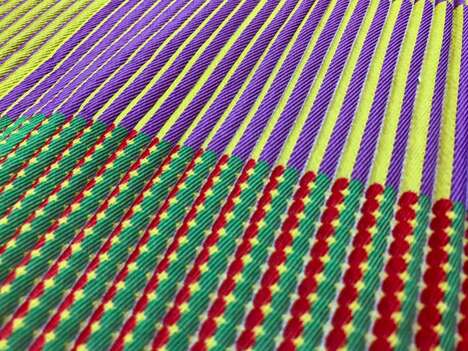
The series titled Quasi-cinema and consists of a collection of shots delicately bended in half and sewed together on fabric and wood. The slight bend creates a distorted sequence of action of a subject on location. In order to create a sense of motion, each photo is slightly different from the other, but once woven together, they give life to a narrative. The artist explains, "They are photos that represent a frame from a film. Each photo is often revealed by merely moving the image within the photo a few millimeters."
Lucas Simões honors the birth of cinema in an artistic and unique way.
What's Driving This Trend
- Sequential Photography
- Use of sequential photos woven together to create a sense of motion and storytelling.
- Distorted Narrative
- Deliberate bending and sewing of images to create a distorted sequence of action.
- Motion Through Variation
- Creating a sense of motion by using slightly different photos woven together.
Who This Affects Most
- Visual Arts
- Opportunity for artists to experiment with new techniques and storytelling methods.
- Film and Entertainment
- Incorporating sequential photography techniques in cinematography for unique storytelling.
- Interior Design
- Use of woven cinematic captures as artistic decor in homes, offices, and public spaces.