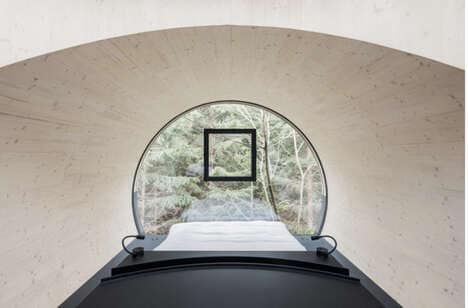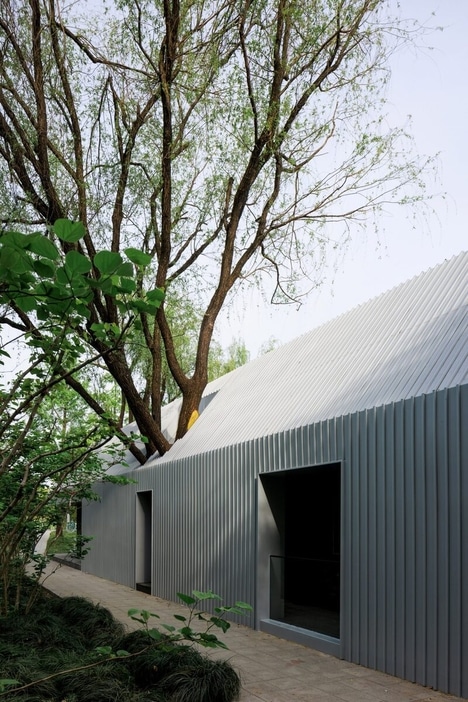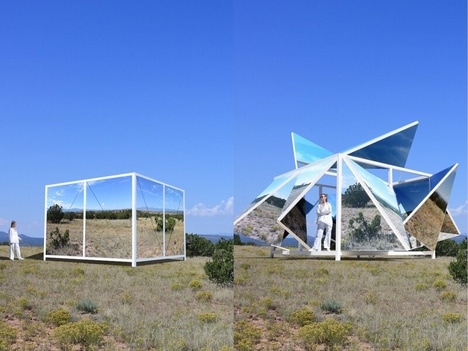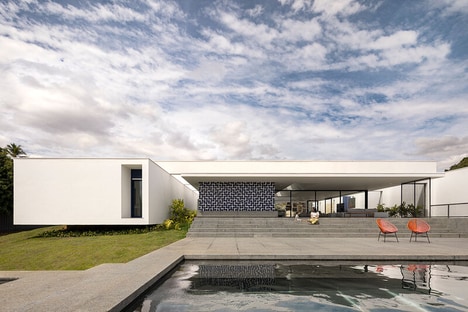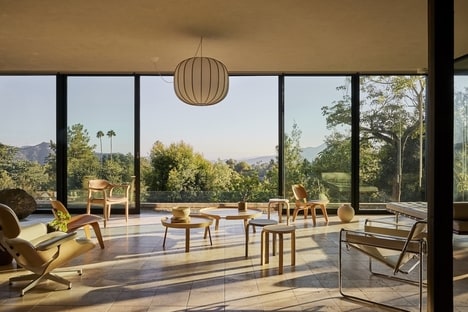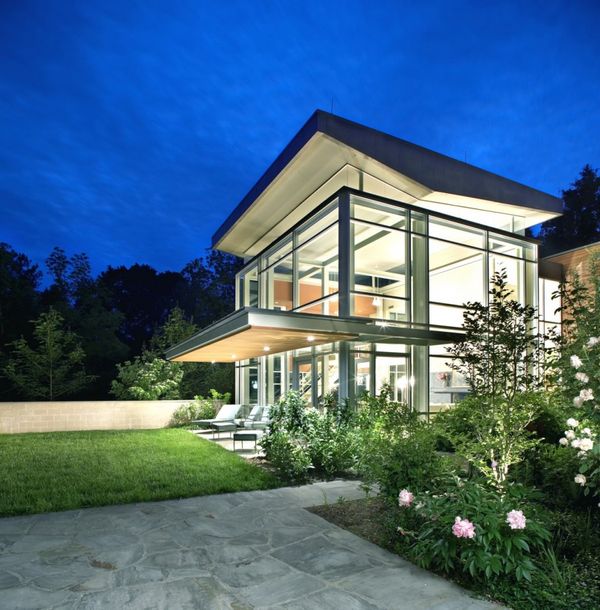
I see an interesting similarity within contemporary architecture, and the Steve Hermann 'Glass Pavilion' incorporates this feature in its design. Have no clue what I'm talking about? Modern-day houses have noticeably been built either without walls, or with see-through glass walls.
Since many are jumping on the eco-bandwagon, this architectural change appears logical as it would not require as much artificial light. With these glass walls, the Steve Hermann 'Glass Pavilion' is an eco-friendly home which displays its interior designs with pride.
Key Themes Behind This Trend
- Eco-friendly Architecture
- The transparency of modern-day architecture could translate into more eco-friendly homes with increased natural light, ventilation, and reduced energy consumption.
- Transparent Displays
- A new breed of home displays could emerge that are transparent, allowing for a more seamless integration with the external environment, and redefining how users interact with their homes.
- Smart Homes
- The integration of technology in homes to monitor, adjust, and optimize energy consumption could be improved by transparent displays that provide a more natural, intuitive interface.
Where This Applies
- Architecture
- Architects could innovate with eco-friendly design principles and explore new ways of showcasing interior design using transparent or semi-transparent walls.
- Consumer Electronics
- Consumer electronics companies could bet on the transparent displays trend and create products that enable a seamless, more natural integration of technology with the home environment.
- Energy Management
- Energy management companies could harness the potential of smart homes by leveraging transparent displays as a way to optimize heating, cooling, and lighting, and reduce energy consumption and carbon footprint.