Japanese engineers at Nissan Motor Co. have been studying fish and their ability to swim collision-free in large groups, and are trying to apply their discoveries to future vehicles.
So far, these engineers have successfully created robots that can travel in a group of up to seven, avoiding each other and obstacles simultaneously. It is their hope that this technology will one day help reduce accidents on the roads.
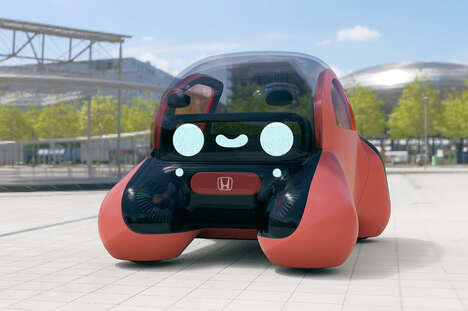
Implications - The robots are actually quite cute and are even featured in different colors. They sort of look like blobby ghosts. The fish-mimicking robots were tested on a track where anxious onlookers hoped to see the basis of future safety. For now, people will just have to practice their safe driving skills.
What's Driving This Trend
- Swarm Robotics
- Developing robots that can travel in groups, avoiding collisions and obstacles simultaneously, inspired by the behavior of fish.
- Bio-inspired Design
- Exploring how natural phenomena, such as fish swimming in large groups collision-free, can be applied to innovative vehicle technologies.
- Collision Avoidance Systems
- Creating advanced technology that helps reduce accidents on the roads by mimicking the collision-free behavior of fish in groups.
Who This Affects Most
- Automotive
- Incorporating fish-inspired collision avoidance systems into vehicles to enhance safety and reduce accidents.
- Robotics
- Exploring swarm robotics inspired by the behavior of fish to create robots that can move as a collective, avoiding collisions and obstacles.
- Transportation
- Applying bio-inspired design principles, such as fish swimming in large groups collision-free, to improve the safety and efficiency of transportation systems.