Artist Brian Chan has created a collection of fascinating life-like origami insects, each one folded from just one square piece of uncut paper. Chan is a craft instructor at MIT who works on perfecting his craft in his spare time.
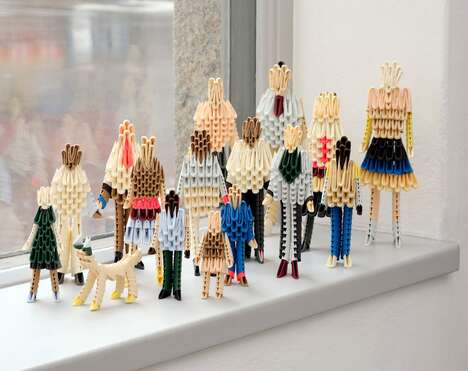
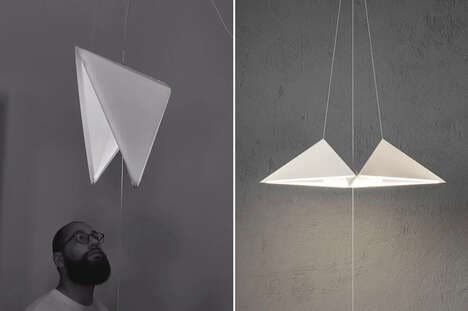
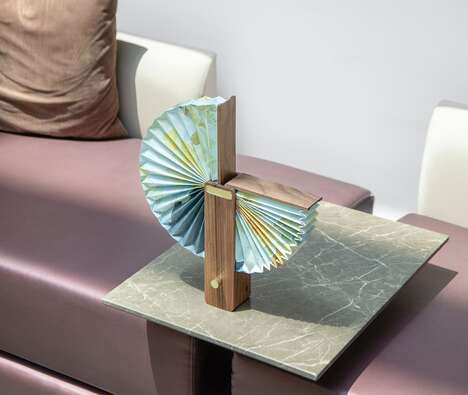
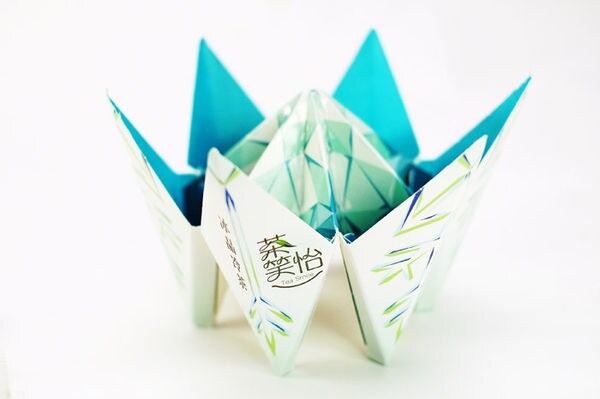
The paper insects, which at first look like real bugs and then tiny sculptures, include a locust, a grasshopper and several varieties of beetles. The intricate details of such origami critters come to life as the artist carefully follows a specific order in which the folds must be implemented. Once viewed as a pastime reserved for elementary school projects and old oriental women, the ancient art of origami is expanding to a more modern audience, taking on unconventional forms and uses.
Why This Trend Is Growing
- Life-like Origami Insects
- The trend of creating intricate, detailed origami insects that mimic real bugs presents an opportunity for artists to showcase their creativity and precision.
- Unconventional Origami Forms
- The trend of using origami to create unconventional forms opens up new possibilities for artists and designers to express their creativity and push the boundaries of the art form.
- Origami's Modern Renaissance
- The trend of origami gaining popularity among a more modern audience reflects an opportunity for artists and artisans to modernize and innovate the ancient art form.
Industries Being Reshaped
- Art and Craft
- Artists specializing in origami can tap into the trend of creating life-like origami insects and explore new ways to incorporate origami into their artwork.
- Education
- Educators can leverage the trend of unconventional origami forms to engage students in hands-on learning and explore different applications of origami in various subjects.
- Interior Design
- Interior designers can explore the trend of origami's modern renaissance to incorporate unique origami pieces as decorative elements, adding a touch of visual interest and creativity to spaces.