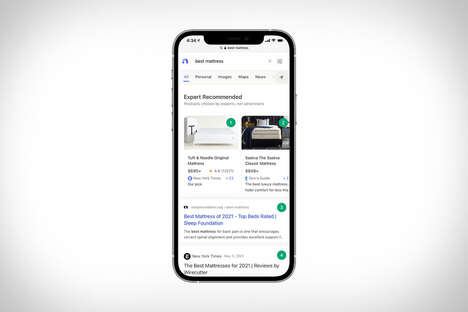
The ‘Is Personalized Search Getting too Personal?’ infograph takes a cold, hard look at the way technology has been monitoring online behaviors and creating patterns to “help” users out. Unfortunately for search engine engineers, it would seem that privacy protection is a far greater goal of users than convenience is. While younger generations are less wary of the technology, those between the ages of 30-50+, an average of at least 67% of respondents, were incredibly cautious of the search engine personalization.
Only 25% of respondents think that it would okay for a search engine to record your information and past search history, regardless of what the intent of the track record is. With Google ever-increasing their search engine to optimize your personal search queries and interests, this chart does not have a great outlook for these advancements.
Key Themes Behind This Trend
- Privacy Concerns
- The growing concern over privacy in personalized search algorithms presents an opportunity for disruptive innovations that prioritize user data protection.
- User Control
- The demand for greater control over personal search information opens up avenues for disruptive solutions that empower users to customize their search experiences.
- Alternative Search Engines
- The dissatisfaction with personalized search highlights an opportunity for disruptive innovation in the development of alternative search engines that prioritize privacy and user control.
Where This Applies
- Search Engine Industry
- The search engine industry can seize the disruptive innovation opportunity by developing privacy-centric search algorithms and features that address user concerns.
- Data Protection Industry
- The data protection industry can capitalize on the privacy concerns surrounding personalized search by offering innovative solutions and services that safeguard user information.
- User Experience Industry
- The user experience industry can explore disruptive innovations focusing on user control and customization in search algorithms to cater to individuals' preferences and privacy needs.