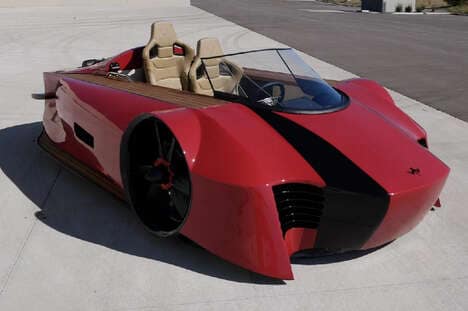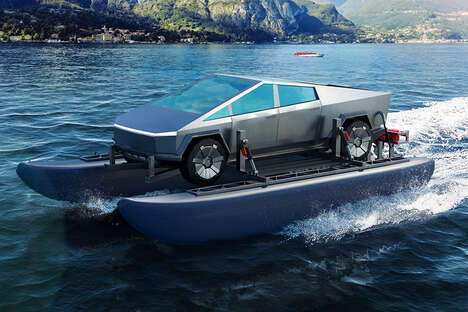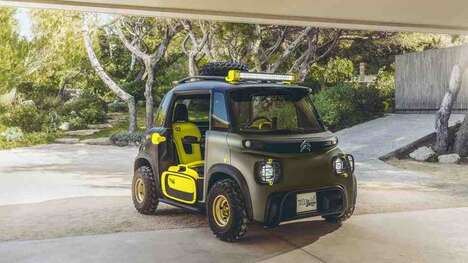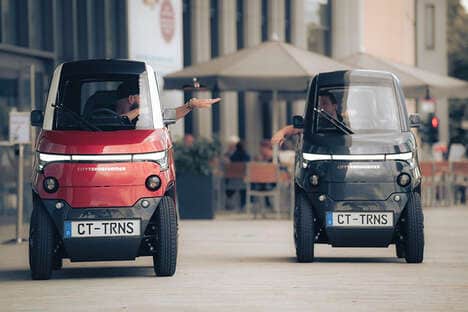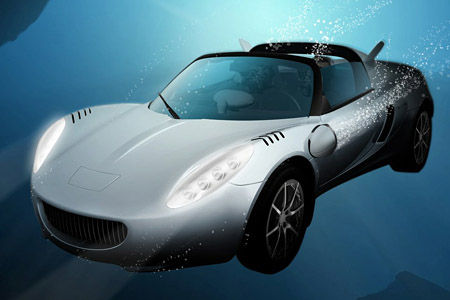
This candy apple colored all electric multi-amphibious vehicle was recently unveiled at the Detroit Auto Show by Korean electric vehicle producer CT&T. Looking more like a six wheeled golf cart than the latest in innovative auto-tech, the electric amphibious car can reach speeds of up to 40 miles per hour on land.
For decades, hobbyists, auto producers and science fiction writers have come up with a variety of amphibious vehicles, all of which seemed to fall short of realistic. Is CT&T’s electric amphibious car the next great auto innovation, or just another MAV?
What's Driving This Trend
- Amphibious Electric Vehicles
- The development and production of amphibious electric vehicles for personal and commercial use presents opportunities for innovation in both the automobile and marine industries.
- Integrated Land-water Travel
- The integration of land and water travel through the use of amphibious electric vehicles opens up opportunities for the tourism industry to provide unique and alternative travel experiences.
- Sustainable Personal Mobility
- The use of electric technology in personal mobility devices, including amphibious vehicles, offers an opportunity for disruption and innovation in the transportation industry's eco-friendliness.
Who This Affects Most
- Automotive Industry
- The development of amphibious electric vehicles offers an opportunity for automotive companies to innovate and create new products that appeal to a niche market of water sports and recreational users.
- Maritime Industry
- Amphibious electric vehicles have the potential to disrupt traditional water transportation and offer a sustainable solution for short-distance commutes and recreational use, creating opportunities for innovation in the maritime industry.
- Tourism Industry
- The integration of electric amphibious vehicles in tourism can create new experiences and opportunities for tourists seeking unique and eco-friendly travel experiences.