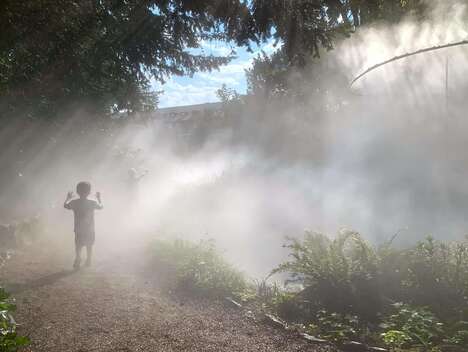
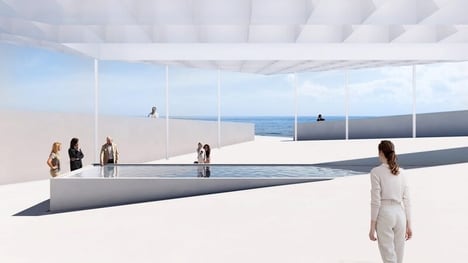
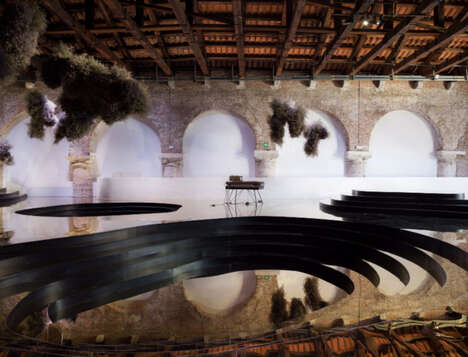
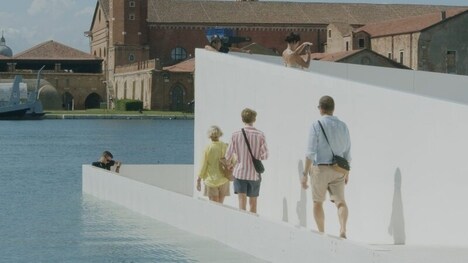
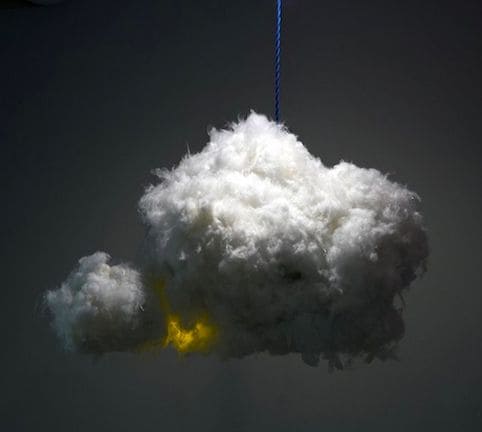
Designer Tetsuo Kondo constructed an experimental architectural piece for Architecture Biennale entitled 'Cloudscapes.' This building is modernly designed but with a new sky-like twist: he associated dense fog with three different pressures of air to condone a cloudy atmosphere.
Kondo collaborated with a climate engineering firm called Transsolar to offer 'Cloudscapes' a different experience; passers by are able to touch the clouds, ensuring a memorable event for everyone this year at Architecture Biennale in Venice, Italy.
What Makes This Trend Stand Out
- Climate-inspired Architecture
- Architects and engineers seek to create building designs that take inspiration from natural weather phenomena.
- Immersive Building Experiences
- Designers aim to fully engage all the senses and emotions of the building's users in order to create a more unforgettable and impactful experience.
- New Applications of Atmospheric Science
- Collaborations between architects and atmospheric science researchers can lead to a better understanding of effective building design principles and techniques that make use of natural elements and phenomena.
Sectors Adopting This
- Architecture
- There is a need for architects to transform their approach to building design by incorporating innovative techniques and materials inspired by nature to create structures that are more sustainable and environmentally responsible.
- Engineering
- Creating climate-inspired designs that effectively integrate the physics and mechanics of atmospheric conditions can be a disruptive innovation opportunity for engineering firms.
- Tourism and Event Planning
- As immersive experiences become increasingly popular with consumers, tourism and event planning companies can benefit from enhancing their offerings with innovative designs that fully immerse visitors in unique and memorable experiences.