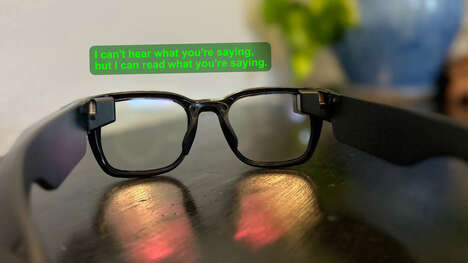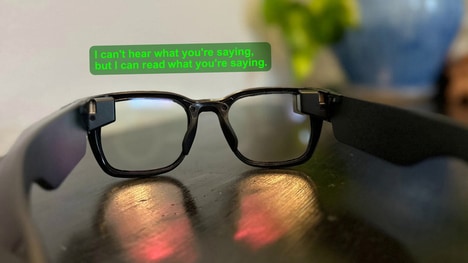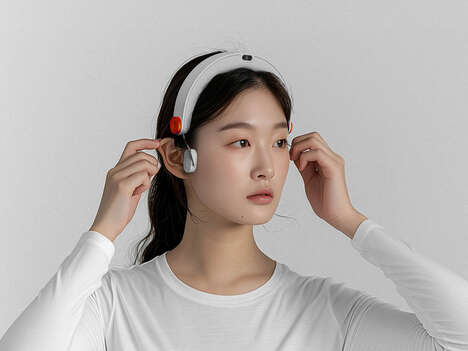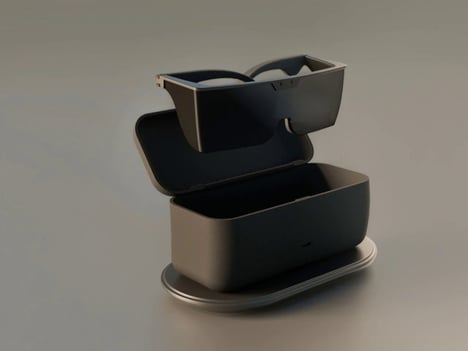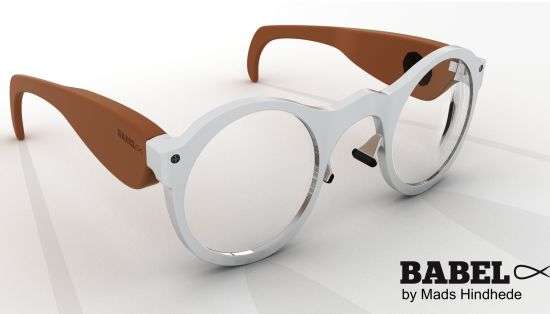
Gone are the bulky hearing aids that hang off of the ear; they've been replaced by a much more stylish device known as the Visual Hearing Aid. Looking like a Warhol fashion statement, these specs include two little microphones that capture speech and can translate it into text using a micro processor. The text is then projected onto both lenses.
The Visual Hearing Aid could represent a big step forward in the technology used to help the impaired. I suddenly don't feel quite so fearful being a drummer.
What's Driving This Trend
- Visual Hearing Aid
- This trend suggests an opportunity for companies to develop more stylish and technologically advanced hearing aids especially in the midst of the spike in the aging population.
- Micro-processor Audio Technology
- There is a growing market for breakthrough audio tech that can help bring a new level of clarity to the hearing-impared individuals.
- Speech-to-text Translation
- This trend is an opportunity for companies that aim to revolutionize communication between the hearing-impared and those with perfect hearing by developing more effective and intelligent speech-to-text technologies.
Who This Affects Most
- Medical Technology
- This industry has an opportunity to continue to develop the next generation of high-tech hearing aids to make them more accessible and affordable for the hearing-impaired population.
- Consumer Electronics
- There is a growing market for companies to develop cutting-edge hearing aids especially in the age of technological advancement and meet the demands of a population that wants stylish, yet effective technology.
- Translation Service
- This industry has a disruptive opportunity to create innovative and effective platforms that can make communication seamless between the hearing-impared and those with perfect hearing by developing more effective and intelligent speech-to-text technologies.