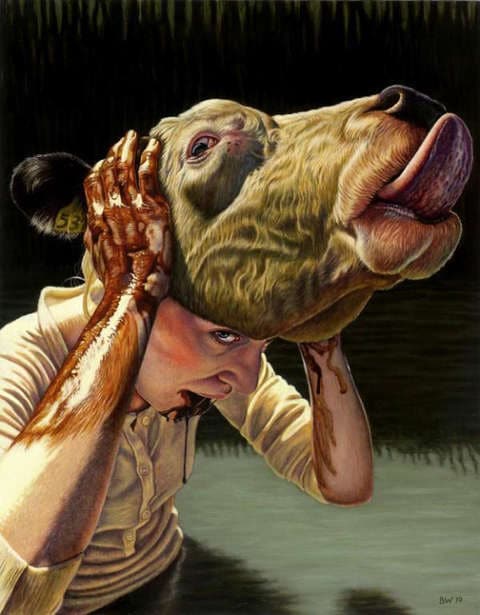
Within the Marc Quinn exhibition, "Allanah, Buck, Catman, Chelsea, Michael, Pamela and Thomas," McQuinn's well-known interest and fascination with body transformations is thoroughly expressed. The exhibit portrays famous characters who have undergone major body alterations, making a point towards how the public's obsession with their physical shape and form.
These extreme sculptures within the Marc Quinn exhibition definitely gets this intensifying issue across.
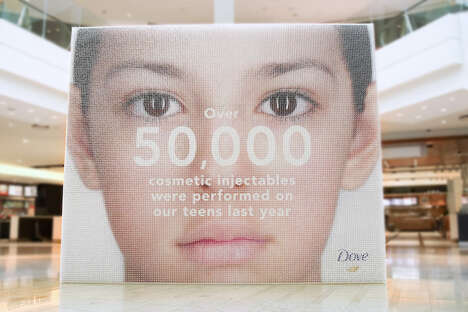
Implications - The Marc Quinn exhibition makes a bold statement about the public's obsession with having the perfect body. Ads and commercials have depicted many images of models that can be detrimental to the consumer's self-image. Knowing that shoppers are growing weary of this imagery, brands should realize there is a shift occurring that idolizes "real beauty."
Key Themes Behind This Trend
- Shift Towards Real Beauty
- The Marc Quinn exhibition highlights a shift in society towards valuing and idolizing 'real beauty' instead of the 'perfect body.'
- Consumer Weariness of Unrealistic Imagery
- Shoppers are becoming tired of advertisements and commercials that depict unrealistic body standards, creating an opportunity for brands to embrace authenticity and inclusivity in their marketing campaigns.
- Body Acceptance Movement
- The exhibit reflects the growing body acceptance movement, presenting an opportunity for brands to promote body positivity and cater to a more diverse range of consumer needs and preferences.
Where This Applies
- Art Exhibitions
- Art exhibitions, like the Marc Quinn exhibition, can serve as platforms for social commentary and sparking conversations around body image and beauty standards.
- Beauty and Fashion
- The beauty and fashion industry can disrupt traditional beauty norms by embracing and celebrating diverse body shapes, sizes, and forms.
- Advertising and Marketing
- Advertising and marketing agencies can capitalize on the shift towards real beauty by promoting authenticity and inclusivity in their campaigns, resonating with consumers who are tired of unrealistic imagery.