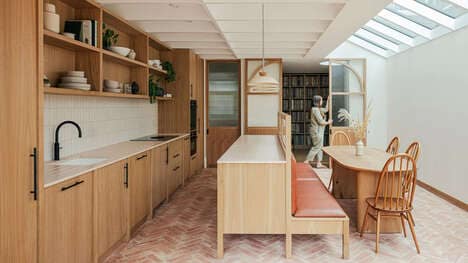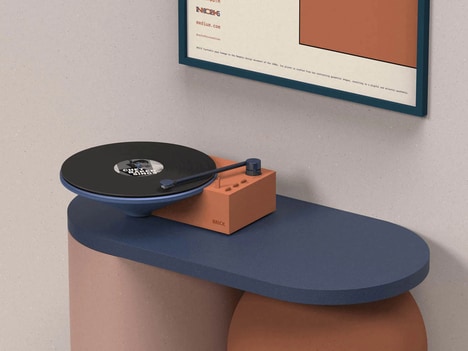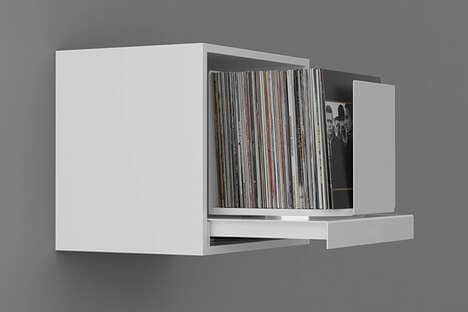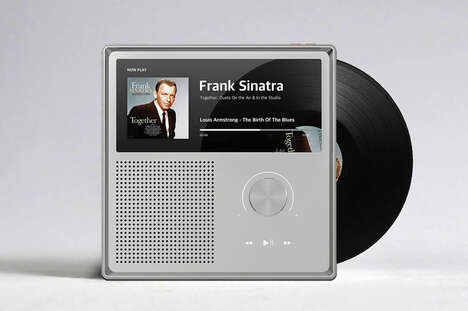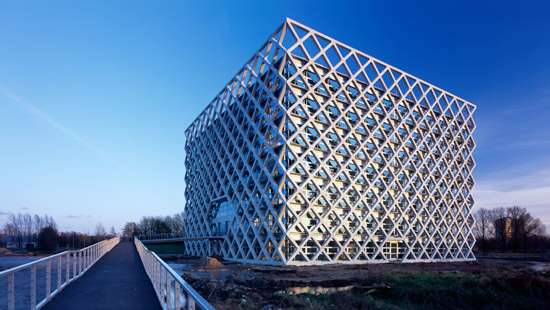
Raphael Vinoly's design in the gallery above might be called the Atlas Building, but honestly, it should be re-christened and dubbed the Vinyl Record Cratechitecture. I mean, just take a gander at the photos. I almost expect to see a vast vintage turntable, or better yet, vinyl records stacked up into a funkified superstructure across the street.
Even the architects’ name is too good to be true: Raphael Vinoly. How poetic can you get? And if I was attending this Netherland University (which, by the way, is what this structure is built for), I would want to refer to it as the Vinyl Record Cratechitecture rather than Atlas. Come on, so much cooler, right?
What's Driving This Trend
- Vinyl Record Cratechitecture
- Opportunity for architects to explore the integration of retro and vintage elements into modern designs.
- Music-inspired Architecture
- Opportunity for architects to create innovative designs that incorporate elements of different kinds of music.
- Branding Through Architecture
- Opportunity for businesses to use unique architecture to establish a distinctive brand image.
Who This Affects Most
- Architecture
- This trend presents opportunities for architects to explore new ways of integrating cultural elements into their designs.
- Music
- This trend presents opportunities for music-related brands to use architecture to promote their products and services.
- Hospitality
- This trend presents opportunities for hotels and other hospitality businesses to use unique architecture to create memorable experiences for their guests.