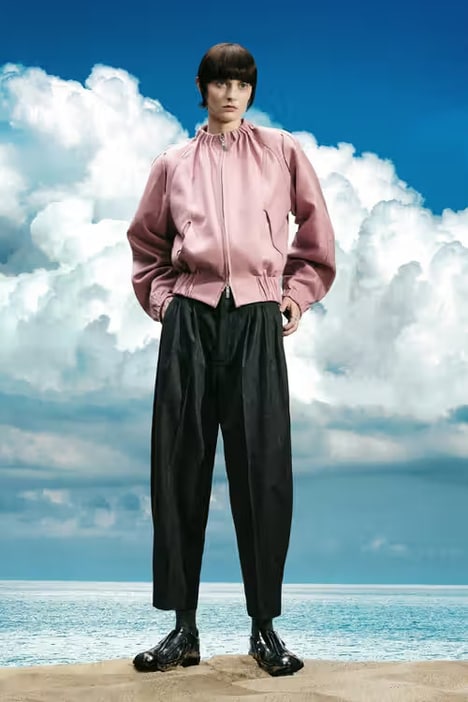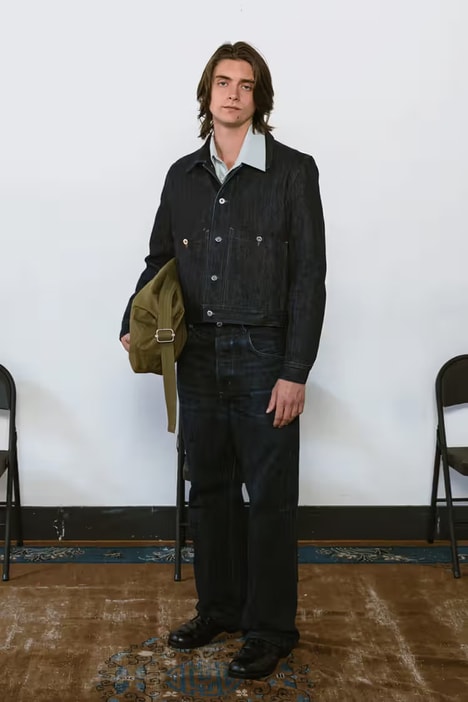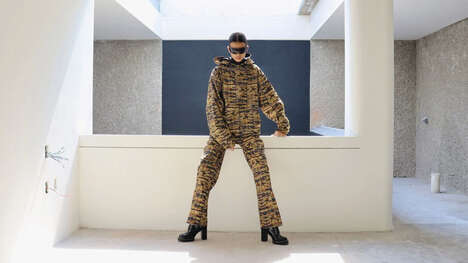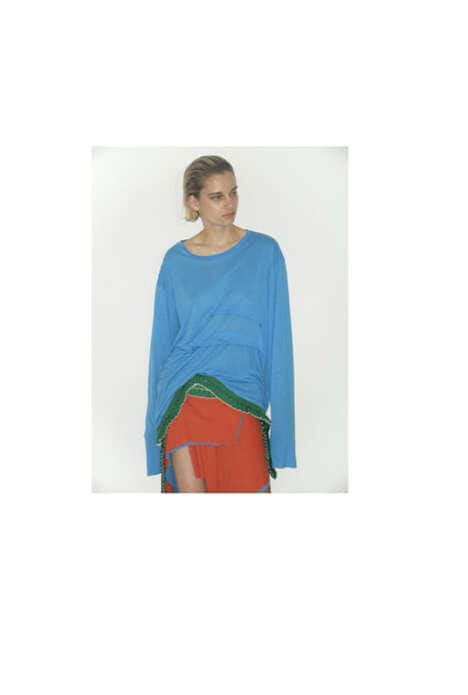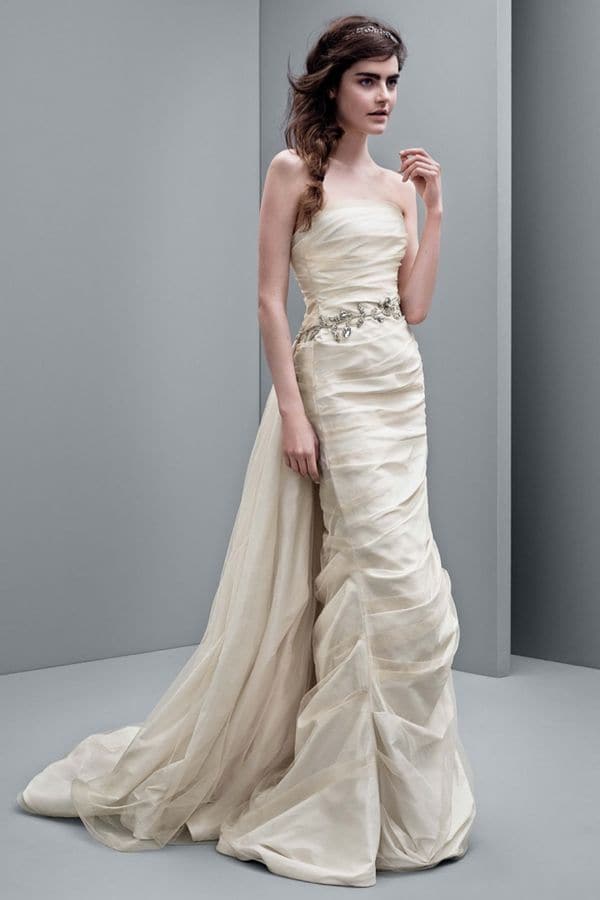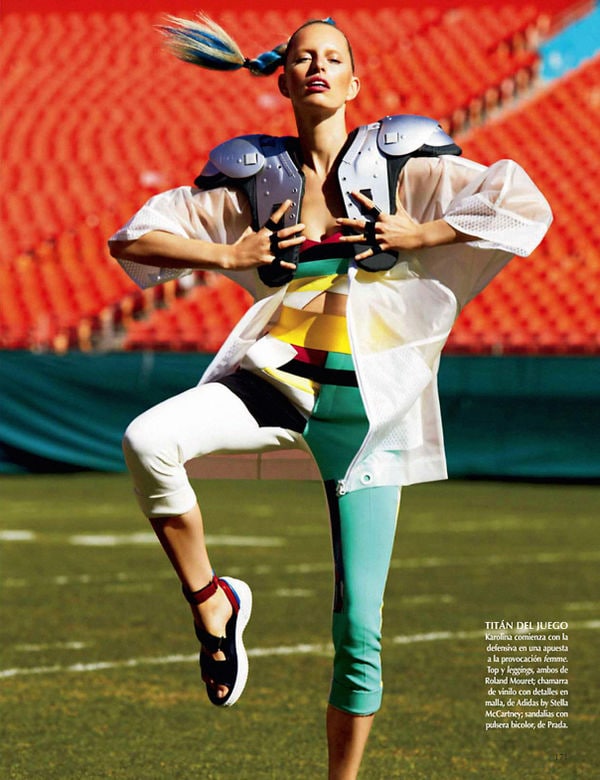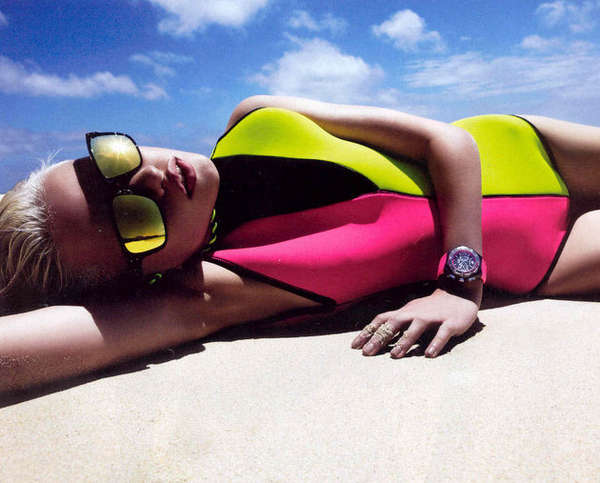
We've seen quite a bit of architectural fashion this season, and stylist Stevie Dance brings together avant-garde styling cues with retro bodysuits for a Benny Horne editorial in Russh Magazine. Model Ali Stephens rocks bodysuits and singlets layered with ferocious jackets that are detailed in giant angled shoulders.
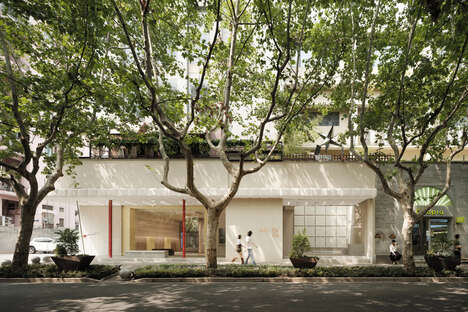
I can't get enough of architectural fashion--there's something so deliciously inventive about juxtaposing the curves of the human body with the sharp angles found in buildings.
Implications - Architecture was once considered a practice strictly for home builders and designers. However, the principles of architecture can be applied to a variety of industries, and businesses should consider incorporating certain architectural features in their designs.
What's Driving This Trend
- Architectural Fashion
- The trend of incorporating architectural elements into fashion could be applied to other industries, such as architecture and interior design.
- Avant-garde Styling
- The trend of blending avant-garde styling cues with traditional garments could be applied to the beauty and cosmetics industry.
- Layered Fashion
- The trend of layering bodysuits and singlets with jackets could be applied to the sportswear and activewear industry.
Who This Affects Most
- Fashion
- The fashion industry, specifically high-end couture, can continue to incorporate architectural concepts into clothing design to push the limits of creativity.
- Beauty and Cosmetics
- The beauty and cosmetics industry can incorporate avant-garde styling cues in product packaging and marketing campaigns to appeal to niche markets.
- Sportswear and Activewear
- The sportswear and activewear industry can experiment with layering techniques to create functional and stylish performance gear.