The Mannahatta Project explores what Manhattan was like in 1609, well before the area became defined by manmade landmarks like the Empire State Building and Madison Square Garden.
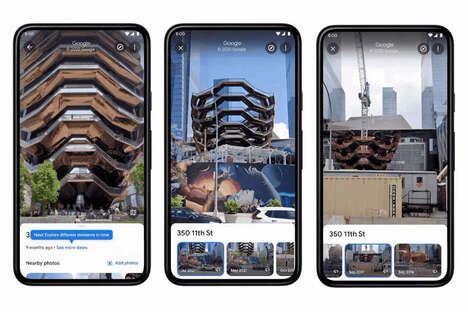
The Mannahatta Project website features an interactive map with sliders so that you can look up a block, landmark or address and compare that region in 1609 with present-day aerial views. It’s a fascinating glimpse back into time and a fascinating retrospective exploration of urban sprawl.
Implications - Consumers are looking for products that are more intellectually stimulating. Items that are simply attractive are no longer the most sought after. Companies could work on injecting more meaning into their designs to draw in more shoppers.
Key Themes Behind This Trend
- Virtual Retrospectives
- Using interactive technology to explore the evolution of urban areas over time.
- Intellectual Stimulation Products
- Creating products that offer more than just aesthetics, but also intellectual value.
- Retro City Mapping
- Developing interactive maps that compare historical and present-day urban landscapes.
Where This Applies
- Technology
- Developing interactive tools and platforms for virtual retrospective experiences.
- Design
- Incorporating more intellectual depth into product designs that cater to intellectually-driven consumers.
- Tourism
- Offering guided tours and experiences that showcase the historical evolution of cities.