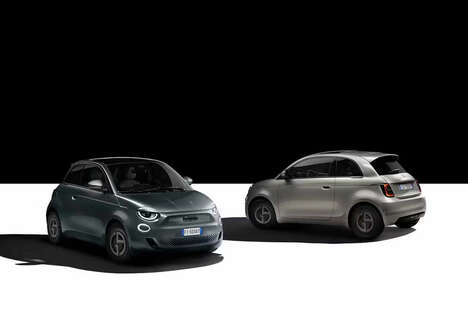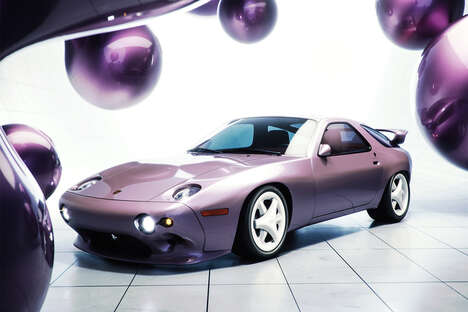
The Saab Fashionista is the ultimate hybrid auto concept of French college Creapole-ESDI student and aspiring auto designer Mayeul Walser.
Karl Lagerfeld and ‘Chambre Syndicale de la Haute Couture’ member Chanel are the inspirations for Mayeul Walser’s Saab Fashionista 2+2 sports coupe. Walser’s goal was to merge futuristic sci-fi with haute couture fashion icons.
Beyond its modern and provocative design, The Saab Fashionista is based on the Chevrolet Volt powertrain.
Implications - In the last few years, there has been a shift in consumer psyche, with many wanting to support companies that create products beneficial for the environment. One way a company can capitalize on this is by investing in eco-friendly products that they can explicitly market as Green. This will engender goodwill for the brand among eco-conscious shoppers and the enviro-media.
What's Driving This Trend
- Eco-friendly Products
- Investing in eco-friendly products that can be marketed as Green can capitalize on the growing consumer desire to support environmentally conscious companies.
- Futuristic Design
- The fusion of futuristic sci-fi with haute couture fashion icons presents disruptive innovation opportunities for the automotive industry.
- Consumer Psyche Shift
- The shift in consumer mindset towards supporting environmentally beneficial products creates opportunities for brands to develop and promote sustainable offerings.
Who This Affects Most
- Automotive
- The automotive industry can explore disruptive innovation through the integration of futuristic design elements inspired by high fashion.
- Fashion
- Fashion brands can collaborate with automobile manufacturers to create couture-inspired vehicle designs for a niche market.
- Green Products
- Companies investing in eco-friendly products can tap into the growing consumer demand for environmentally sustainable options.