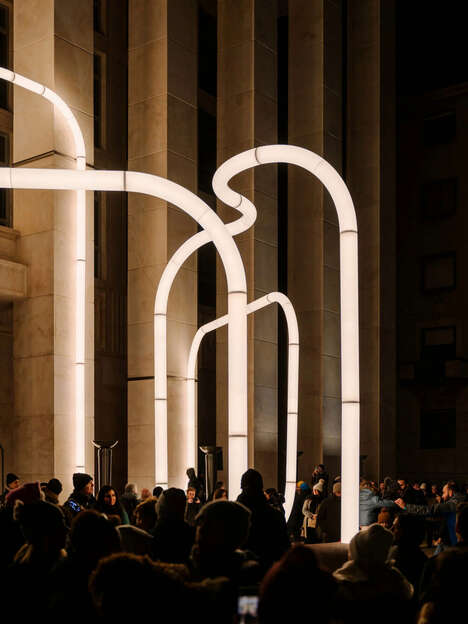
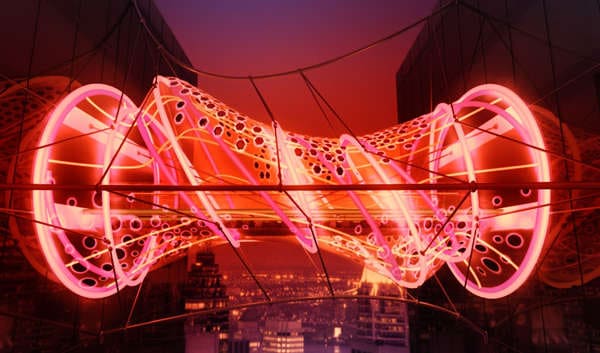
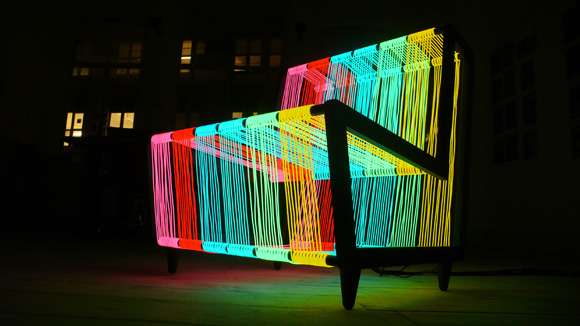
Designer Fuse Project transformed a parking garage in Adelaide, Australia into The Rundle Lantern, a giant entertainment piece with a huge composition of lights wrapped around each corner.
Each of the 748 “pixelsâ€, as they appear from a distance, has two LED lights behind it. The Rundle Lantern was originally designed to be a lantern for this part of town, hence its name. It's an ever-changing, always moving painting, changing city landscapes indefinitely.
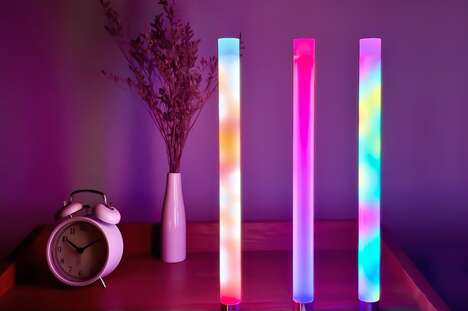
Implications - Consumers are no longer interested in the size of buildings alone -- there must be another feature that draws them in. This pattern of light-filled structures fuses the possibilities that future technologies provide with light aesthetics. Businesses can use this tendency to computerize or gadget-ize items to make them fresh for consumers.
Why This Trend Is Growing
- Light-filled Structures
- The use of light aesthetics in architecture and design is becoming a key trend, as consumers seek unique and visually appealing features in buildings.
- Interactive Art Installations
- Creating interactive art installations, such as the Rundle Lantern, that engage and entertain audiences is a growing trend in the art and entertainment industry.
- Integration of Technology in Design
- The integration of future technologies, like LED lights, into building design is a trend that combines functionality and aesthetics.
Industries Being Reshaped
- Architecture and Design
- The architecture and design industry can leverage the trend of light-filled structures to create visually stunning and immersive experiences for clients.
- Art and Entertainment
- The art and entertainment industry has opportunities to create unique and engaging experiences through interactive installations like the Rundle Lantern.
- Technology
- The use of technology, such as LED lights, in building design presents opportunities for innovation and collaboration between the technology and construction industries.