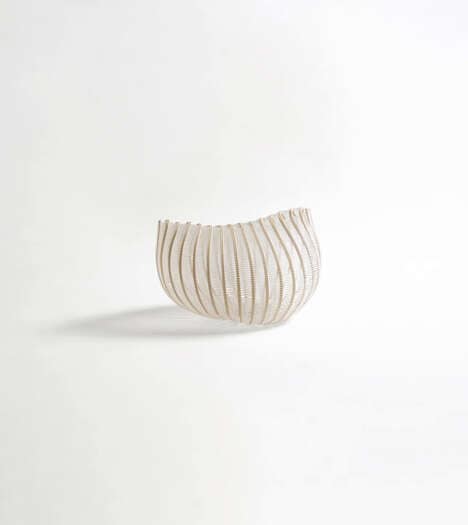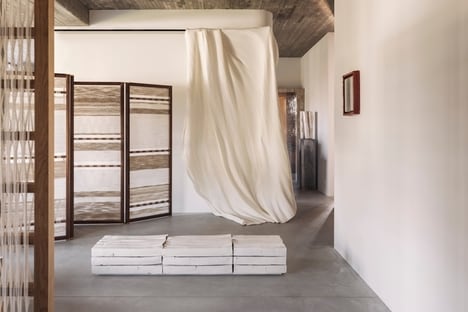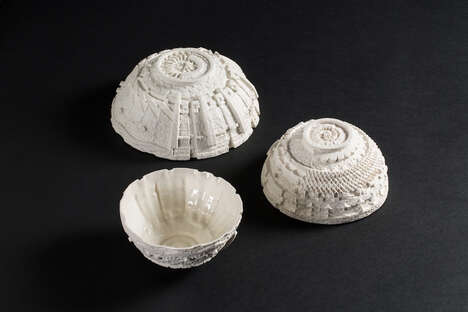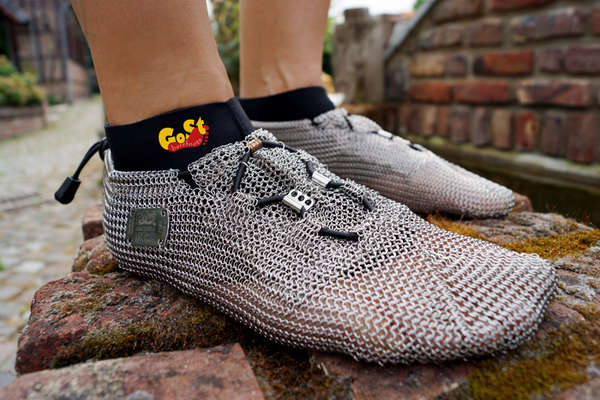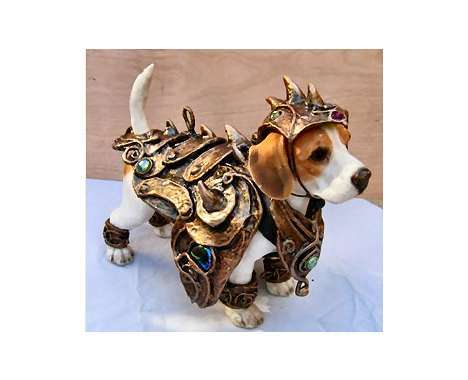
This piece is outstanding. It's from Ruth Borgenicht who creates ceramic pieces of chainmail into various works of art and I could look at the pictures all day. At first glance I thought it was cool crochet but finding out that it is ceramic just blows me away.
Implications - Taking the aesthetics from times in the past and reinventing them into new materials and objects can create both a fresh and nostalgic feeling. By incorporating patterns that were commonly seen throughout an era and applying them to contemporary objects, you can transform their relevance and bring them to a place where old becomes new again. Designers have thousands of years of inspiration waiting to be tapped into.
What's Driving This Trend
- Reviving Historical Aesthetics
- Exploring past design elements and adapting them to modern materials and objects can create a blend of old and new, sparking a sense of nostalgia and novelty simultaneously.
- Incorporating Traditional Patterns
- Applying patterns from bygone eras to contemporary objects can give them a renewed relevance, offering designers a vast pool of historical inspiration to draw from.
- Transforming Materials for Artistic Expression
- Reimagining common materials, like chainmail, into unconventional forms can open up unique creative avenues, pushing the boundaries of traditional craftsmanship.
Who This Affects Most
- Home Decor
- The home decor industry can leverage reviving historical aesthetics as an opportunity to offer consumers a blend of old and new design elements, catering to their desire for both nostalgia and uniqueness.
- Fashion and Textiles
- Fashion and textile industries can benefit from incorporating traditional patterns into modern designs, creating a fusion of classic and contemporary fashion trends.
- Ceramics and Sculpture
- The ceramics and sculpture industry can explore transforming materials, such as clay, into unconventional forms and installations, enabling artists to push creative boundaries and redefine traditional art forms.