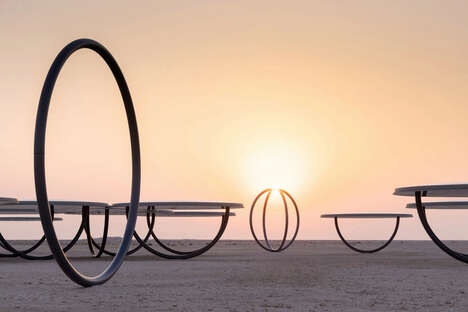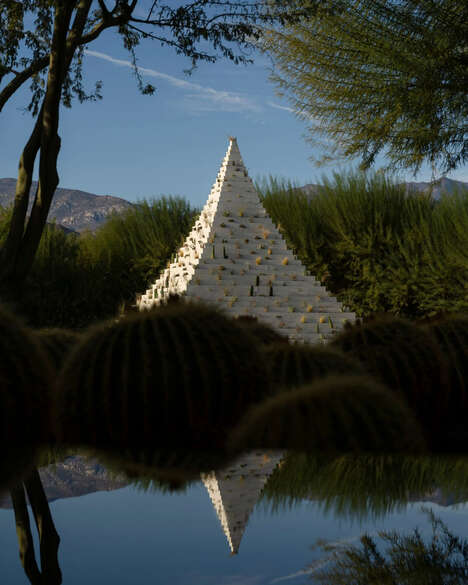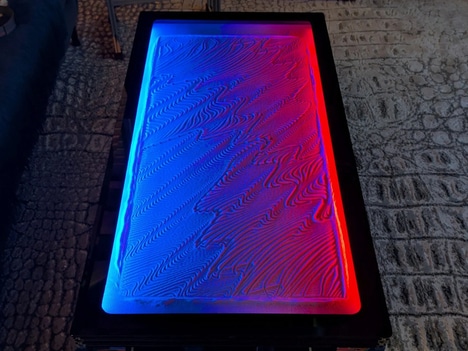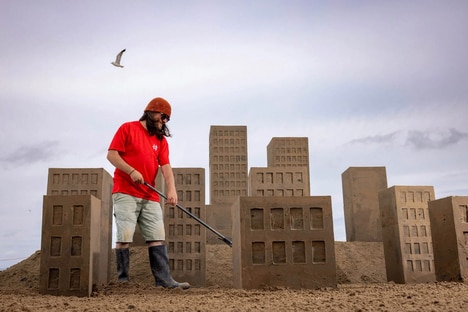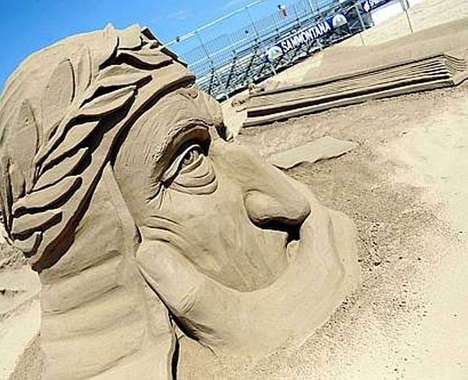
Jim Denevan is a Santa Cruz, CA-based artist who makes freehand temporary drawings in sand using only a stick and a rake. Working up to seven hours and walking long distances to work on his drawings, Denevan completed what has been identified as the largest human-made art on earth.
Located in Nevada, this drawing is three miles across, and it reportedly took 100 of miles of walking to draw the pattern.
Denevan, who is a chef by profession, creates simple geometric figures in the dry sand as a kind of temporary sculpture. Many of his drawings are done by the water and they are then, sadly, washed away by the rising tides.
Key Themes Behind This Trend
- Temporary Art Installations
- Creating large-scale temporary art installations using natural materials can provide unique and memorable experiences for viewers and opportunities for artists to experiment with the boundaries of their art form.
- Ephemeral Land Art
- Exploring the intersection of art and nature through the creation of temporary, large-scale land art can inspire a deeper connection to the environment and promote sustainable art practices.
- Experimental Sculpture Techniques
- Pushing the boundaries of traditional sculpture techniques to create large, freehand sculptures using minimal tools and natural materials can lead to innovative and visually stunning creations.
Where This Applies
- Art
- Artists, art curators, and art institutions can explore the potential of creating temporary art installations and promoting the work of artists who experiment with natural materials and large-scale sculptures.
- Tourism
- Destinations can promote unique and temporary art installations to attract tourists and provide them with a memorable and immersive cultural experience.
- Environmental Conservation
- Environmental organizations can partner with artists to promote sustainable art practices and inspire a deeper connection to the environment through the creation of temporary land art installations.