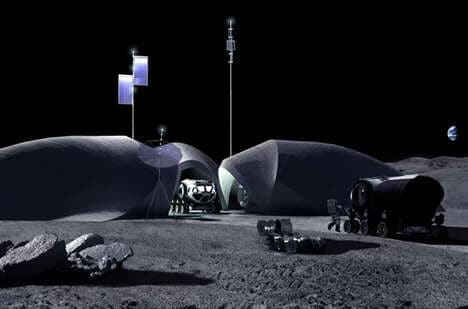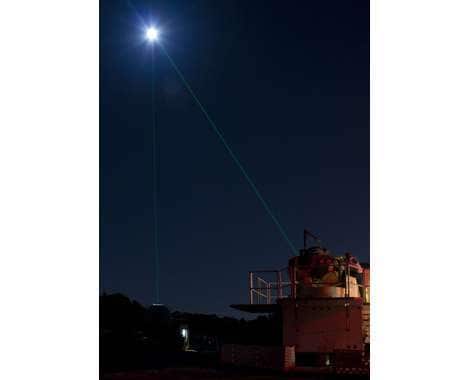
It sounds romantic to use lunar dust as a tool for creation, but it's not just an ethereal dream. NASA thinks they may actually be able to utilize the dust to construct a lunar telescopes and light-collecting mirrors, a device actually stationed on the moon. The moon dust would be mixed into a concrete-like paste that could be sculpted to form.
"We believe we have found a way to turn moon dust into a telescope," confirms Peter Chen, an inventor from NASA's Goddard Space Flight Center. He's been experimenting with nanotubes, crumbled rocks with a similar form to lunar dust and 'glue-like epoxies'.
"First we had something very gooey and smelly," Chen said, adding, "Then we had this very hard, very stable material like concrete."
What's Driving This Trend
- Lunar Dust Utilization
- NASA's use of lunar dust to construct telescopes and mirrors presents disruptive innovation opportunities for space exploration and astronomy industries.
- Nanotubes Experimentation
- Experimenting with nanotubes and crumbled rocks similar to lunar dust opens up disruptive innovation possibilities in material science and manufacturing industries.
- Concrete-like Paste Application
- The utilization of a concrete-like paste mixed with lunar dust for sculpting purposes offers disruptive innovation prospects in construction and architectural industries.
Who This Affects Most
- Space Exploration
- The use of lunar dust in constructing telescopes and mirrors on the moon can bring disruptive innovation opportunities to the space exploration industry.
- Astronomy
- The utilization of lunar dust for telescope construction presents disruptive innovation potential for the astronomy industry.
- Material Science
- Experimenting with nanotubes and similar substances to lunar dust holds disruptive innovation possibilities for the material science industry.