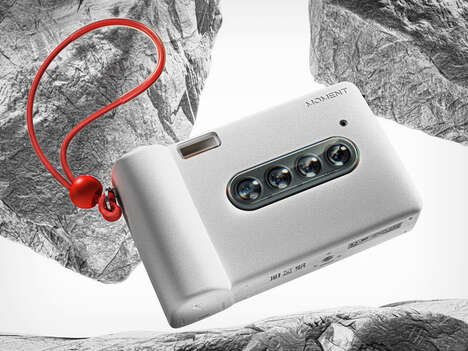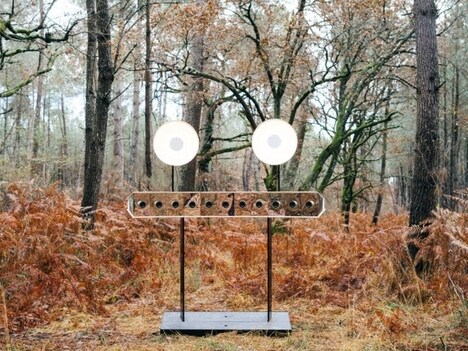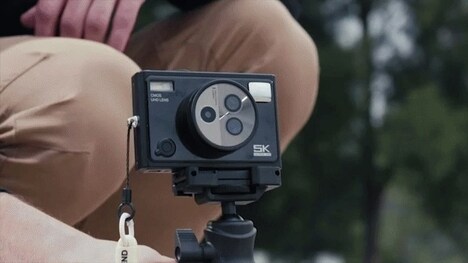
The human eye is less complex than a bug’s eye, which is why John Rogers from Illinois University developed a digital camera lens inspired by insects’ eyes.
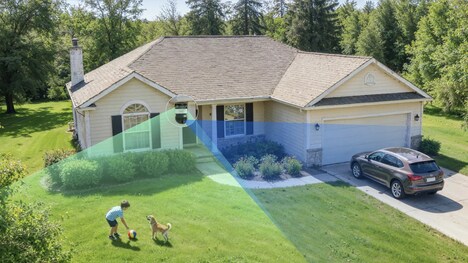
The resolution of a compound lens camera may not beat out other high-end cameras, but it will be more ideal for surveillance. Because it is literally like a man-made fly on the wall, a compound lens camera will have a broader depth of field and will stay in focus no matter how far or close.
Almost all cameras currently on the market use a single lens system, which is how the human eyes actually work. Another way to see the world is through compound lenses, as do fire ants and spiders. Bug eyes consist of countless individual units called ‘ommatidia,’ flexibly formed into a semi-spherical shape. Each ommatidia has a viewfinder and light sensor of its own, and each forms a separate image that combines to complete the final picture.
What's Driving This Trend
- Compound Lens Cameras
- The development of compound lens cameras inspired by bug eyes presents an opportunity for surveillance applications with a broader depth of field and always-in-focus capabilities.
- Insect-inspired Optics
- Insect-inspired optics can be applied to the design of other cameras and optical devices for enhanced performance and capabilities.
- Multi-unit Imaging Systems
- The use of multi-unit imaging systems, similar to insect ommatidia, can lead to new innovations in imaging and sensing technologies.
Who This Affects Most
- Security and Surveillance
- Compound lens cameras have disruptive potential in the security and surveillance industry for broader and more reliable monitoring capabilities.
- Consumer Electronics
- Insect-inspired optics can be applied to the development of consumer cameras and other imaging devices for improved performance and versatility.
- Scientific Research
- Multi-unit imaging systems have the potential to advance scientific research in fields such as biology and medicine, where high-resolution imaging is key.