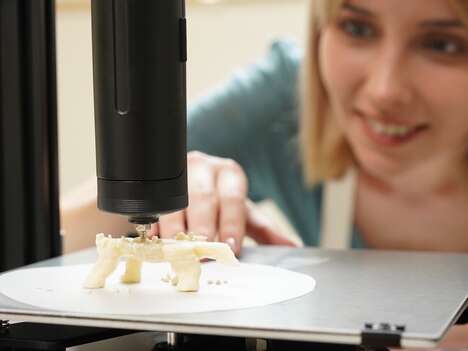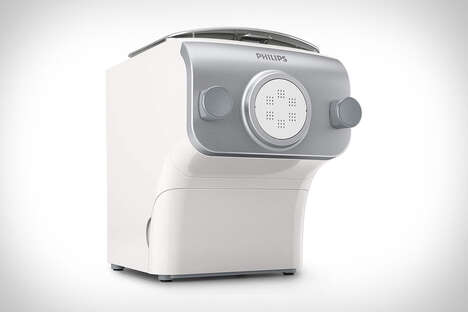

Imagine replacing the process of rolling out noodles from a mechanical or a manual pasta maker in favor of an astoundingly high-tech alternative that we'll call 3D-printed food. Co-founder of the Freedom of Creation design studio, Janne Kytannen puts forth an intriguing idea that could revolutionize the way in which edibles are made.
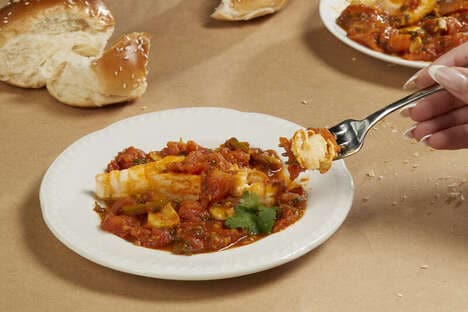
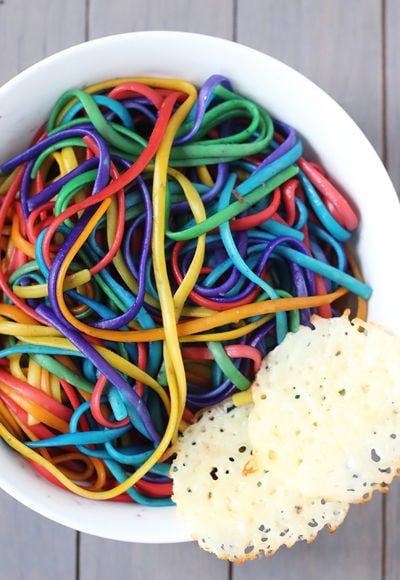
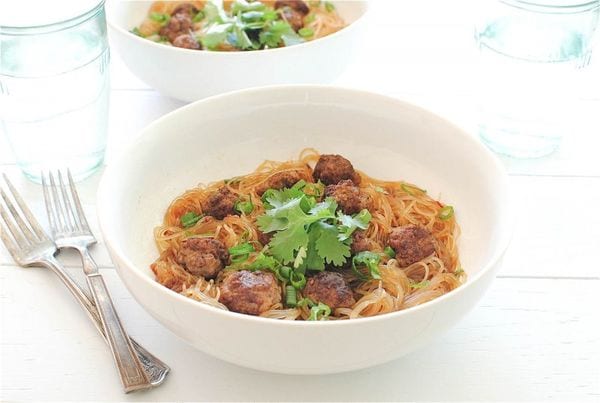
A close look into these dishes will reveal quite an eclectic and even eccentric assortment of noodles. Men's heads, marine plants, wedge shoes and strings of text have been mixed into a marinara sauce and a light-colored soup. These unexpected forms are simply smaller versions of some of the designer's larger sculptures. 3D-printed food could take a cornucopia of shapes and sizes, intended for aesthetics, easy consumption or both.
What's Driving This Trend
- 3d-printed Food
- A new way of manufacturing food with innovative shapes and sizes using 3D printing technology.
- Food Personalization
- Taking food choices to another level by providing personalized meals using 3D printing technology.
- Sustainable Food Production
- 3D printing offers a new way for sustainable food production that could reduce food waste and energy consumption.
Who This Affects Most
- Food Industry
- There is potential for the food industry to incorporate 3D printing technology into food production, providing unique food experiences to customers.
- Design Industry
- The design industry could benefit from the creation of new 3D printed food designs for restaurants and food companies.
- Environmental Industry
- 3D printing food could reduce the carbon footprint and waste produced in the food industry, making it a viable solution for sustainable food production.