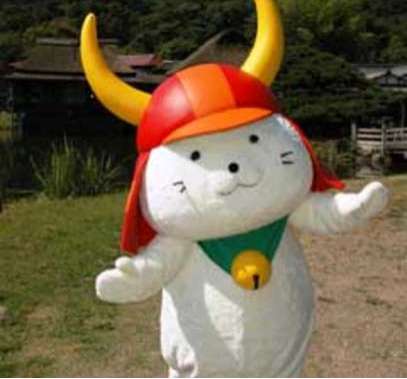
The 2008 Beijing Olympics have been enveloped in unending political controversy so it's been tough for some sports fans to get excited. Putting those aspects aside, I really love the five Olympic mascots collectively called the Fuwa.
“The cute Fuwa group consists of five members according to the traditional five elements: Beibei, Jingjing, Huanhuan, Yingying, and Nini,' says Ahboon. “Each of the five names is designed to look like a plausible name for a small child, while also achieving a more complex task: when the first syllable of each name is put together, it sounds nearly identical to the phrase 'åŒ—äº¬æ¬¢è¿Žä½ ', BÄ›ijÄ«ng huÄnyÃng nÇ which means 'Beijing welcomes you.'†Pretty clever!
I really like these pretty, innocent-looking mascots, and can't wait to see them at the Beijing games, which are now less than three months away!
Why This Trend Is Growing
- Olympic Mascots as a Branding Tool
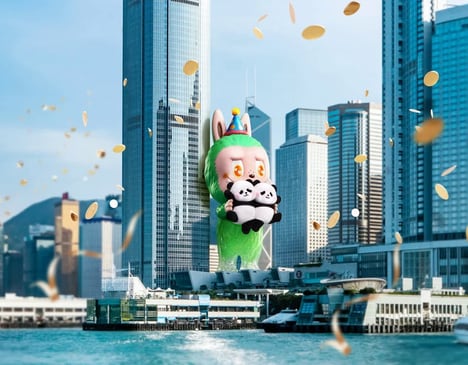
- The creation of cute and recognizable mascots can offer a new frontier for companies looking to build their brand in the global stage.
- Combining Traditional Imagery with Modern Design
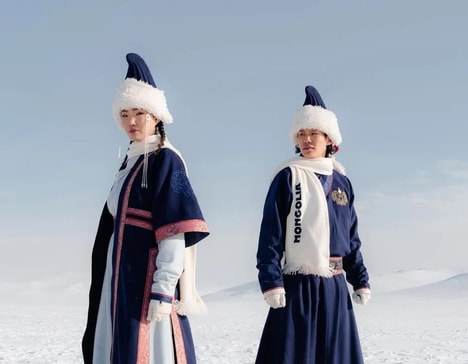
- An opportunity exists for the fashion industry to combine traditional clothing designs with modern design sensibilities to create unique and relevant consumer products.
- Incorporating Cultural Significance in Commercial Endeavors
- Expanding the use of culturally significant symbols and phrases alongside modern consumer trends can link heritage and identity with modern values, driving innovation in traditional industries.
Industries Being Reshaped
- Brand Marketing
- The Fuwa mascots demonstrate how brand marketers can adopt cute mascots or symbols to represent their brand in a local market, increasing brand loyalty and reach.
- Fashion Design
- Fashion designers can use traditional cultural symbols and patterns to create products like sportswear, giving customers a sense of identity and connection to their culture through fashion.
- Cultural Tourism
- Tourism industries can leverage the cultural significance of major events like the Olympics to promote cultural visits or events, driving local tourism and economic growth.