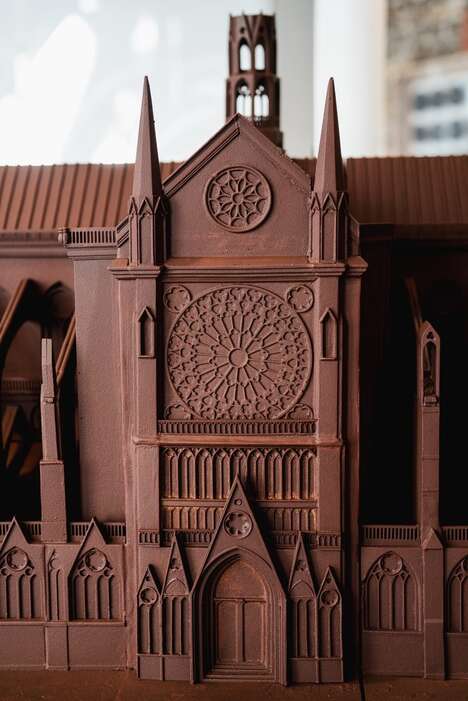
Imagine being transported back to the Roman Conquest, the Marie Antoinette era or the building of the Eiffel Tower. Dassault Systèmes has created a one-stop website where one can view the architecture and structure of the City of Lights. The Paris 3D site allows users to get a closer look and better historical understanding of the beloved city. This new age production of historical information is re-enforcing the idea of a broader, more technological influenced era we are living in.
Referred to as a "living kind of world," this idea of Paris 3D gives archeologists the chance to enhance the Parisian culture and show it to modern viewers on a more conventional platform. Around 2,000 years of Parisian history is now at the fingertips of any Internet user.
What's Driving This Trend
- Virtual Historical Tours
- The success of the Paris 3D site suggests that there is potential for other historical tours to digitize and offer virtual experiences, generating new revenue streams.
- 3D Technology Integration
- The use of 3D technology is not only transforming the gaming and entertainment industry, but also has the potential to revolutionize the way we learn and experience history.
- Augmented Reality Museums
- The rise of augmented reality technology presents an opportunity for museums to create interactive exhibits and immersive experiences that engage and educate visitors in innovative ways.
Who This Affects Most
- Tourism
- By leveraging 3D technology, the tourism industry can offer unique and immersive experiences that attract visitors and differentiate from competitors.
- Education
- 3D historical tours and virtual reality experiences can enhance the learning experience by providing students with a more engaging and interactive way to understand history.
- Museums
- Augmented reality and 3D technology can help museums create more compelling exhibits and attract a wider audience, including younger generations who seek interactive experiences.