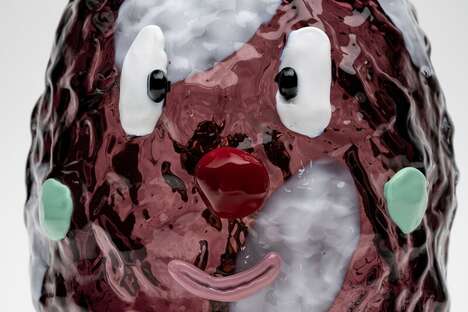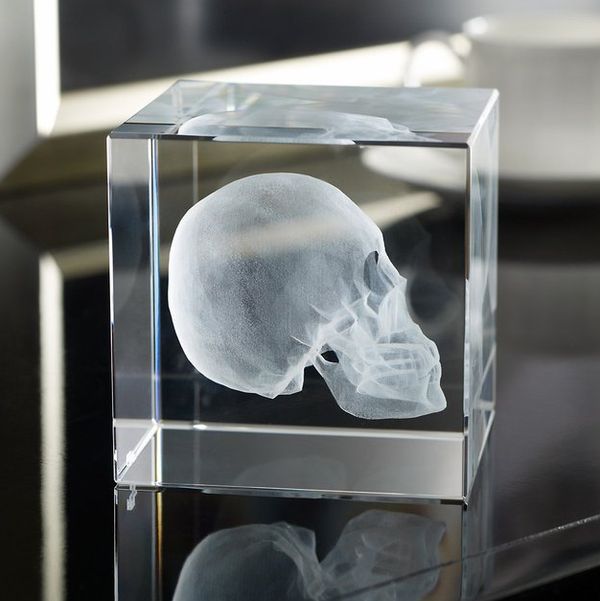

You'll probably do a double-take when you first lay eyes on the Skull Brain by Emilio Garcia. Initially it looks rather familiar, and yet it quickly proves to play a trick on your mind.
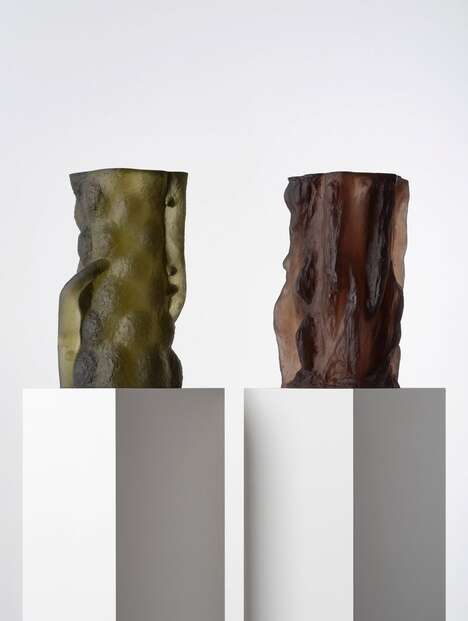
Set to be displayed at the CONTEXT Pavilion as part of Art Miami, this unusual piece will be modeled in various materials and in a range of different colors. What the artist has done is to produce a sculpture that mimics the intriguing organic texture of the human brain, but to expand its typical form to the full shape and contours of a cranium.
Defining the jaw, the bridge of the nose and the eye sockets, the Skull Brain by Emilio Garcia makes a compelling piece of art and an iconic decorative object that might be used as a set of bookends.
What Makes This Trend Stand Out
- Expanded Anatomy Sculptures
- Opportunities exist for artists and designers to create expanded anatomy sculptures that challenge traditional forms and perceptions.
- Organic Texture Replication
- There are opportunities to develop materials and techniques that can replicate the intricate organic textures found in the human brain.
- Iconic Decorative Objects
- Creating iconic decorative objects inspired by anatomical elements can provide unique and visually striking design opportunities.
Sectors Adopting This
- Art and Design
- The art and design industry can explore and incorporate expanded anatomy sculptures into their creative projects and product lines.
- Materials Science
- Advancements in materials science can lead to the development of new materials that can replicate the intricate textures of the human brain.
- Home Decor
- The home decor industry can leverage iconic decorative objects inspired by anatomical elements to offer unique and visually interesting products for consumers.