The Roberto Ercilla mechanical ramps are a future-forward installation found at the City of Vitoria in northern Spain—much to the tired tourist’s delight.
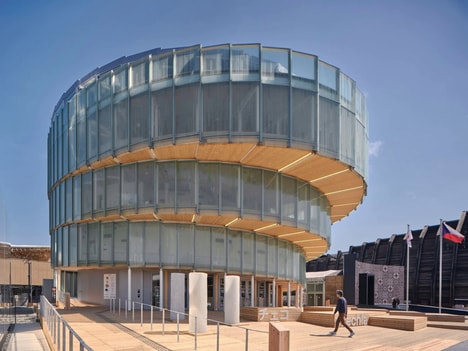
These moving sidewalks and staircases are designed similar to a caterpillar skeleton. With successive metal U-frames following the sliding pavement, the twisting structure is a juxtaposing addition to the cultured and cobblestone-covered Spanish landscape. However, the curious glass-enclosed ramp is unmistakably modern in design; a sight worth marvelling (and taking pictures) at. The lazy will love watching the scenery pass them by, literally.
Since Vitoria experiences extreme weather from summer to winter, the airport-inspired portcullises serve a practical purpose by protecting wary walkers from the elements.
What's Driving This Trend
- Sliding Sidewalks
- The sliding sidewalks offer a disruptive innovation opportunity for transportation infrastructure, allowing for efficient and convenient movement in urban areas.
- Mechanical Ramps
- The mechanical ramps present a disruptive innovation opportunity for architectural design, providing adaptable and functional solutions for various environments.
- Glass-enclosed Structures
- The glass-enclosed structures create a disruptive innovation opportunity for tourism and landmark attractions, offering unique and visually captivating experiences for visitors.
Who This Affects Most
- Transportation Infrastructure
- The sliding sidewalks can be implemented in transportation infrastructure projects, revolutionizing the way people move through cities.
- Architectural Design
- The mechanical ramps can be incorporated into architectural designs, transforming buildings and public spaces to be more accessible and dynamic.
- Tourism and Landmark Attractions
- The glass-enclosed structures can be utilized in tourism and landmark attractions, enhancing visitor experiences and attracting more tourists.