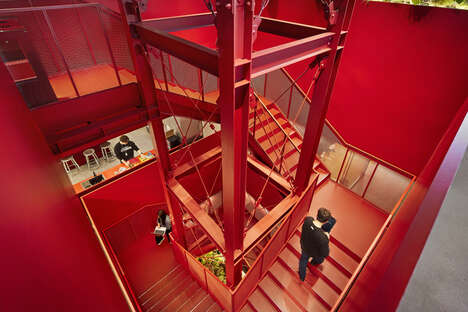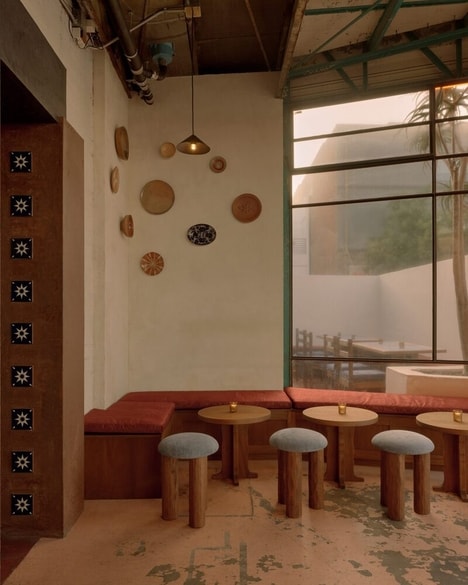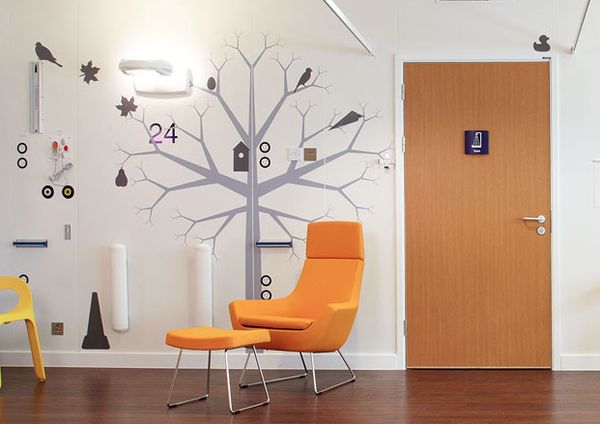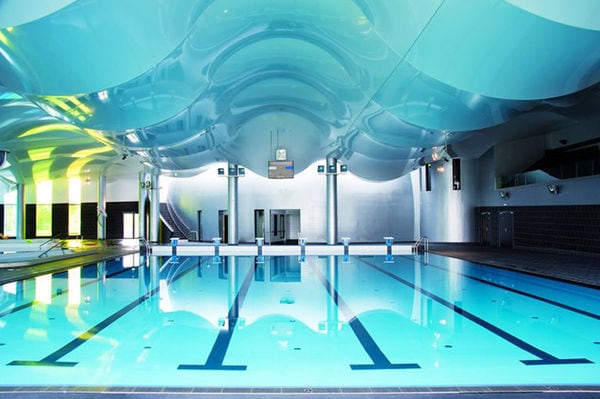

The Bangkok University BU Lounge features a design by Supermachine Studio Space. This striking public space embraces a modern education approach meant to encourage fun and experiential design.
Transforming a professors' office into a university lounge, Supermachine Studio Space aimed to create an inviting interior that strays away from the traditional collegiate corridor hangout.
From its bold color hues to a variety of visually intriguing patterns, this two-storey lounge lets visitors experience a spatial optical illusion.
The Bangkok University BU Lounge is made up of a variety of areas allowing students to read, study, tutor, eat, socialize or just relax. From its education-centric spaces to its hobby activity pavilions, this dynamic student space makes one long for school days.
What Makes This Trend Stand Out
- Experiential Design
- There is an opportunity for companies to revolutionize traditional designs with experiential ones that encourage fun and creativity.
- Spatial Optical Illusion Trends
- There is a growing demand for spatial optical illusion trends that push perceptive boundaries in commercial design.
- Education-centric Spaces
- Designing education-centric spaces that cater to a variety of academic and recreational needs can create exciting learning environments.
Sectors Adopting This
- Interior Design
- Interior design companies can use spatial optical illusion trends to create unique and innovative designs for commercial and hospitality spaces.
- Higher Education
- Higher education institutions can create engaging and stimulating learning environments by implementing experiential design and education-centric spaces.
- Hospitality and Tourism
- Hotels and tourism establishments can use experiential design to create memorable experiences for guests, with spatial optical illusion and education-centric spaces as potential design elements.