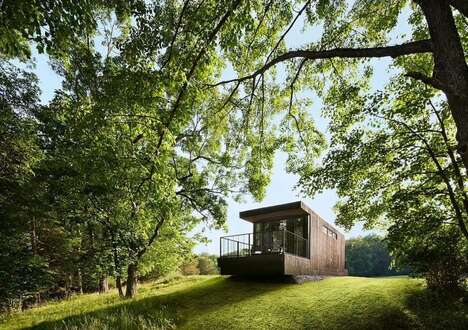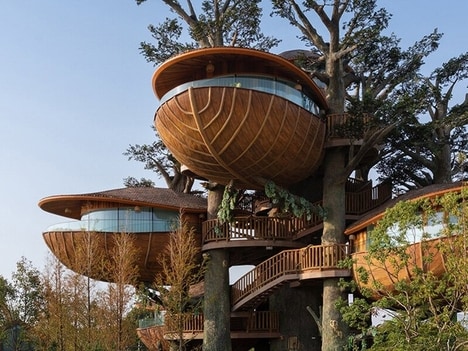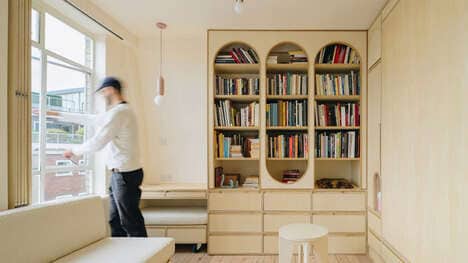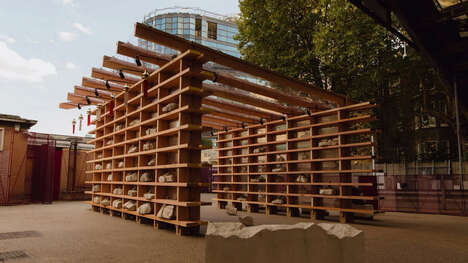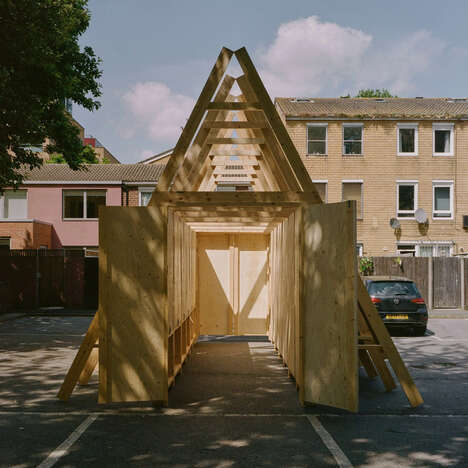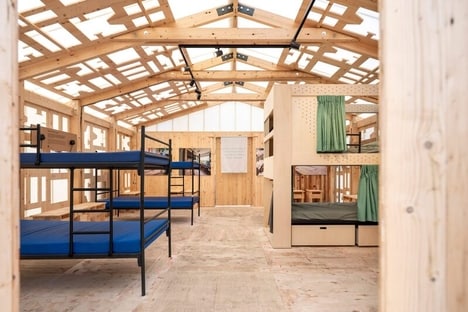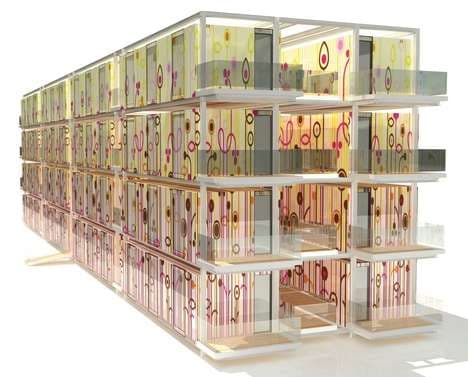
We've heard of pop up boutiques and pop up restaurants, but now Architect Tim Pyne has designed a temporary hotel is London's trendy Hoxton. Pyne aims to start building works this summer and intends to fill the disused site for 8 years (which will be long enough to cash in on the Olympics boom). The hotel will be built in a lightweight steel, with an insulated panelized facade. He aims to bring life to an industrial neighbourhood that hasn't got a very residential feel--he explains “Hoxton is surrounded by tower blocks, but nearly all the companies are European. They have nowhere for their employees to live.â€
Why This Trend Is Growing
- Temporary Architecture
- Temporary and demountable structures like M-Hotel present a new opportunity in the hospitality industry, giving developers the ability to quickly adapt to fluctuating demand.
- Pop-up Hotels
- The emergence of pop-up hotels becomes a trend in response to seasonal events and growing demand for hyper-local experiences.
- Sustainable Construction Materials
- The use of lightweight steel and insulated panelized facade reflects an increasing interest by architects and developers to use sustainable and eco-friendly materials in construction.
Industries Being Reshaped
- Hospitality
- Temporary and demountable structures like M-Hotel provide more flexibility and cost-effectiveness to the hospitality industry, especially during peak travel seasons.
- Real Estate
- Temporary structures like M-Hotel offer a potential solution to the problem of vacant and unused spaces in urban areas, providing a new avenue for real estate investment and development.
- Architecture and Design
- The use of sustainable and eco-friendly materials in temporary structures presents an opportunity for architecture firms to offer more innovative and environmentally conscious designs.