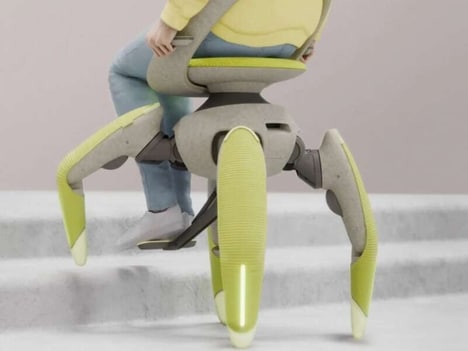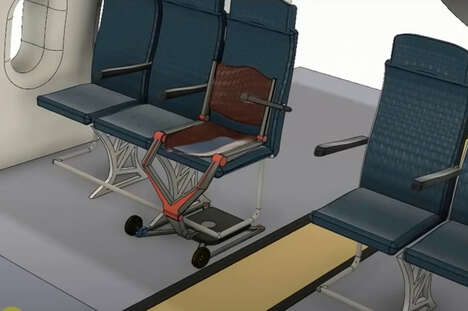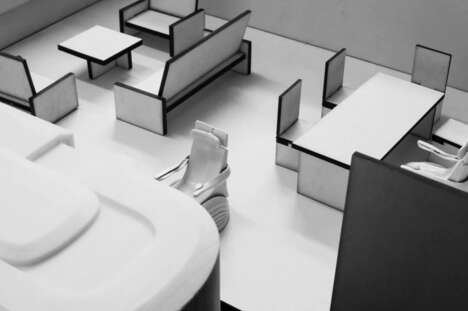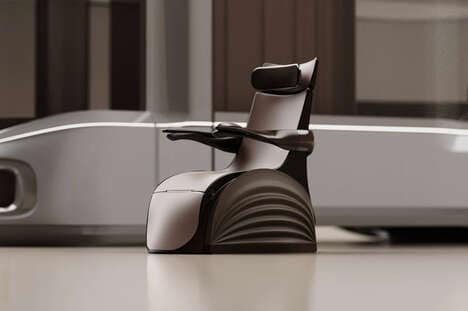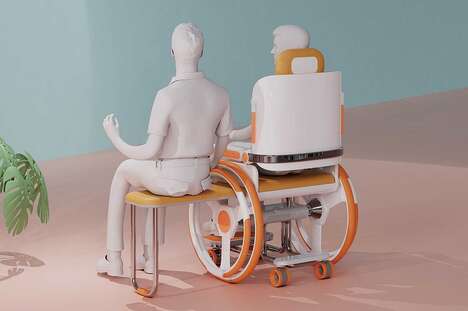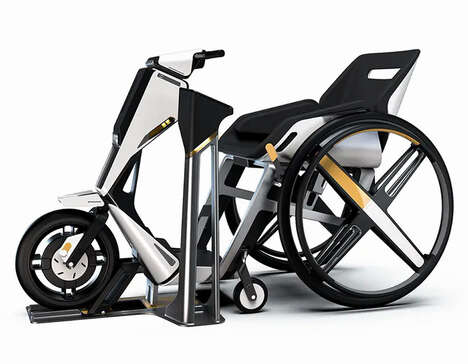
The paralyzed may never be able to walk again, but they can stand in some form with the Standing Power Wheelchair. Designer Bruce Lin has conceptualized this wheelchair as a way for people with paralysis of the legs to be able to stand up.
Being able to stand up may not sound like that big of a deal to someone who isn't paralyzed; for someone that is paralyzed, it means being able to reach a cabinet or a shelf and perhaps, more importantly, being able to look someone in the eye. The Standing Power Wheelchair shies away from the look of contemporary power chairs in favor of a more modern and less bulky design. The wheelchair of the future is already being dreamed up by a variety of creatives. There's a good chance that Lin's design, or at least the standing component of it, could become standard issue on the wheelchairs of the future.
What's Driving This Trend
- Standing Power Wheelchair
- Developing and improving standing power wheelchairs for people with paralysis presents opportunities for disruptive innovation in mobility technology.
- Accessible Seating
- Creating innovative solutions for accessible seating not only enhances the quality of life for individuals with paralysis but also opens doors for disruptive innovation in inclusive design.
- Modern and Less Bulky Design
- Exploring sleek and lightweight designs for power wheelchairs creates opportunities for disruptive innovation in the assistive technology industry.
Who This Affects Most
- Mobility Technology
- Developments in standing power wheelchairs for people with paralysis provide a disruptive innovation opportunity within the mobility technology industry.
- Inclusive Design
- The concept of accessible seating and standing power wheelchairs opens doors for disruptive innovation in the inclusive design field, creating more inclusive spaces and products.
- Assistive Technology
- Designing modern and less bulky power wheelchairs disrupts the traditional assistive technology industry, offering innovative and ergonomic solutions.