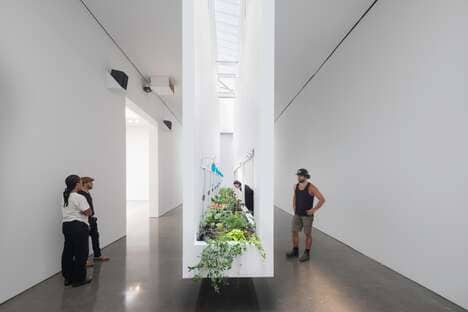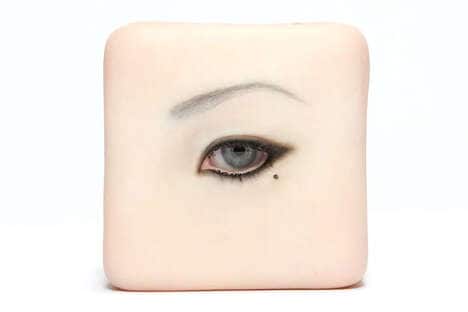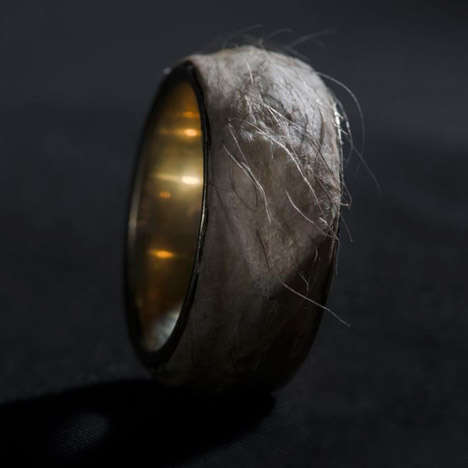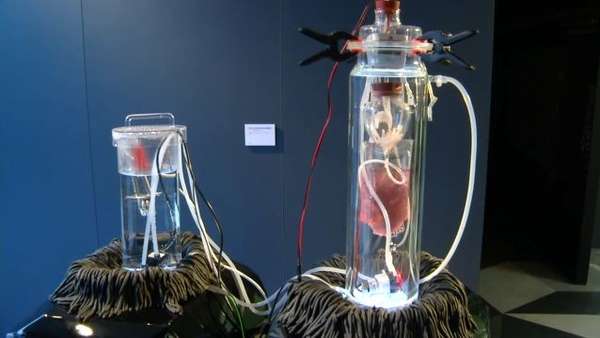
'Visceral: The Living Art Experiment' easily goes down as the first art exhibit in the history of the world to feature a book grown from living skin tissue.
Assembled by the University of Western Australia’s SymboticA art-science residency program, the 'Visceral: The Living Art Experiment features 12 works of art that all incorporate living tissue in some way. Of all the exhibit's creepily fascinating pieces, however, I have to say that the group of crickets being subjected to a lecture on insect reproduction is my favorite.
What's Driving This Trend
- Bio Art
- Opportunity for artists to explore the intersection of biology and art by incorporating living tissue into their works.
- Art-science Collaboration
- Potential for collaboration between artists and scientists to create innovative and thought-provoking exhibits that challenge traditional boundaries.
- Biomedical Ethics
- Emerging discussions on the ethical implications of using living tissue in artistic creations, prompting debates on the boundaries of bioengineering and art.
Who This Affects Most
- Art
- Opportunity for artists to create provocative and boundary-pushing works by incorporating living tissue into their installations and sculptures.
- Science
- Potential for scientists to collaborate with artists to explore new ways of communicating scientific concepts through visually captivating exhibits.
- Bioengineering
- Growing interest in the use of living tissue in art projects, showcasing the potential for bioengineering to intersect with the artistic realm.