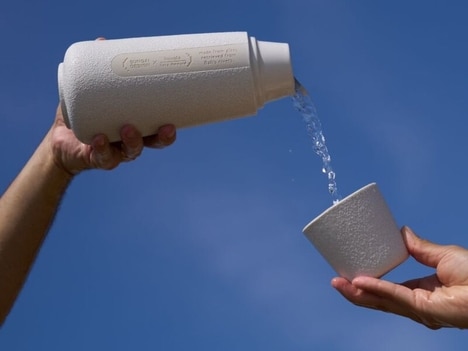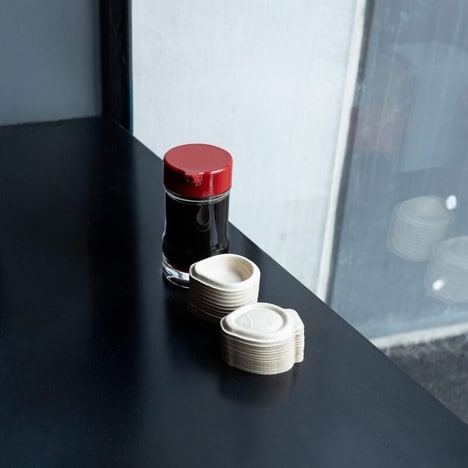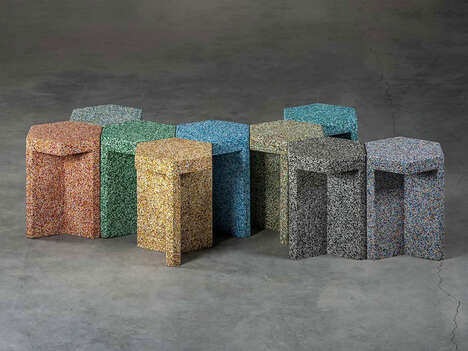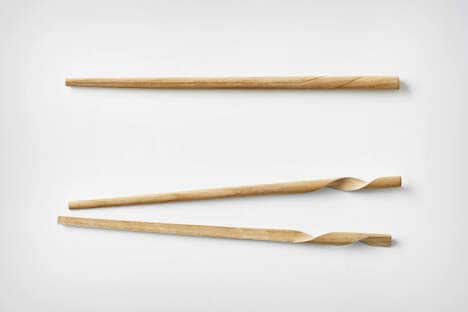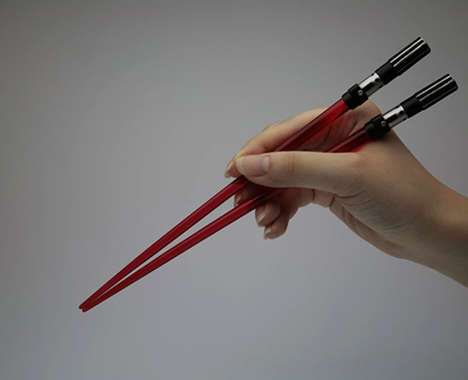
Shuhei Ogawara, a city-hall employee, has made a 13-foot canoe from thousands of disposable chopsticks that he collected from the city hall cafeteria. He was disturbed that perfectly good wood was being thrown away - so, he spent two years constructing this 66 pound boat out of 7,382 chopsticks. A launching ceremony is planned for May at nearby Lake Inawashiro.
Implications - The rise of environmentalism has caused consumers all over the world to take a closer look at the waste we produce in today's throwaway culture. By creating functional sculptures from recycled and reclaimed materials, artists can make a social statement and save items from clogging up local landfills.
Key Themes Behind This Trend
- Recycled Material Art
- The use of recycled and reclaimed materials in art can make a social statement and reduce waste in a throwaway culture.
- Sustainable Materials
- The rise of environmentalism demands the use of sustainable materials to decrease waste and promote a greener future.
- Upcycling
- Upcycling waste materials into functional and useful products is a creative way to reduce waste and bring new life to discarded materials.
Where This Applies
- Art and Design
- Artists and designers can disrupt conventional art and design processes by incorporating sustainable and recycled materials in their work and promoting a greener future.
- Waste Management
- The need to reduce waste demands innovation in waste management practices, such as upcycling and finding new uses for discarded materials.
- Consumer Goods
- Incorporating recycled and sustainable materials in the production of consumer goods can appeal to environmentally conscious consumers and disrupt traditional manufacturing processes.