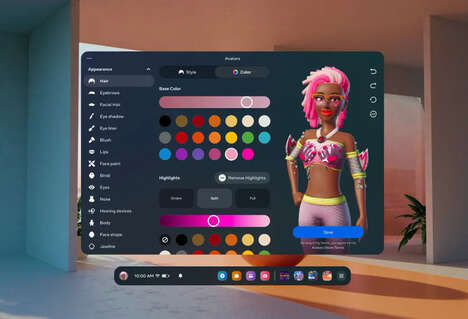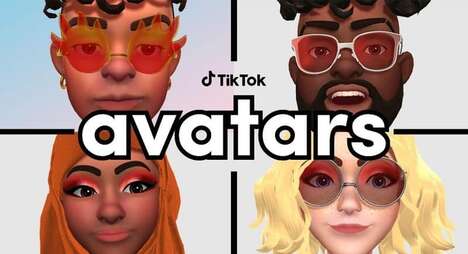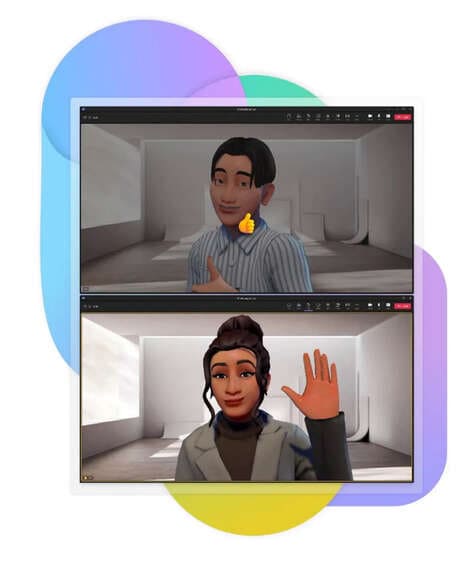
Whatsapp has now added support for Meta’s Bitmoji-style avatars, allowing users to set their profile pictures as the avatars or send them as stickers. One of the many customizable virtual characters accessible across platforms and chat applications are Meta's avatars. The playful avatars are designed to be digital twins of the person they are created by, so the individual can send custom reactions using a character that looks like them. The feature “will be rolling out to users everywhere from today,” said Meta in a statement.
The feature may be quite important for Meta because it is being marketed as the entity that will eventually represent its users in the metaverse. WhatsApp's avatar feature has been gradually spreading to beta testers for a few months. They've been accessible to certain beta users on Android and iOS since October 2022. Still, it's anticipated that they will soon be accessible to all users on mobile with this new announcement.
Image Credit: Whatsapp
Key Themes Behind This Trend
- Virtual Persona Marketing
- Companies can use customizable virtual avatars to represent their brand and engage with their customers in the metaverse.
- Avatar-based Social Networks
- The rise of Bitmoji-style avatars could lead to the creation of avatar-focused social platforms, where users can interact in virtual spaces as their digital twins.
- Personalized Reactions
- The ability to send custom reactions using a character that looks like the user opens up opportunities for more personalized communication in social and messaging applications.
Where This Applies
- Social Media
- Social media platforms could incorporate Bitmoji-style avatars to enhance user engagement and create more immersive experiences.
- Gaming
- Avatars are a core component of many video games, and the rise of virtual personas could lead to more personalized and immersive gaming experiences.
- Marketing
- Brands could use customizable avatars to represent their products and services in the metaverse, creating new marketing opportunities.