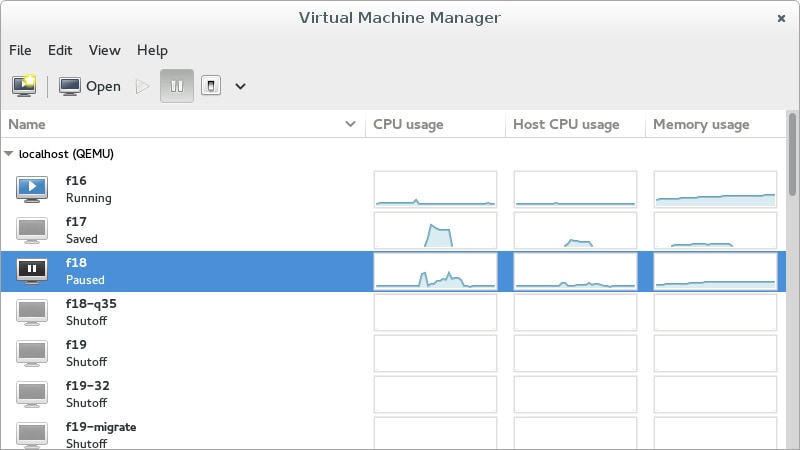
Virt-Manager is a graphical virtual machine manager built around KVM and libvirt, introduced as a usable front end to Linux kernel virtualization and promoted in recent coverage as a stable alternative to VirtualBox. The tool, maintained by the open-source community, features a desktop GUI designed to make KVM accessible, with the unique element being its direct integration with the kernel-level KVM hypervisor. Red Hat had signaled deprecation for RHEL in the past, but Virt-Manager remains actively developed and widely used across distributions.
The app emphasizes near-native VM performance by leveraging hardware virtualization (Intel VT/AMD-V) and manages storage via configurable storage pools rather than relying on default disk locations. Networking defaults to bridged mode to simplify LAN access, and installation is straightforward on Debian, Fedora and Arch families using packaged qemu, libvirt and virt-manager components. Users may need to enable and start libvirt and add their user to the libvirt group.
For Linux users who run many VMs, Virt-Manager matters because it reduces downtime and dependence on a fragile third-party tool while offering higher performance and tighter kernel integration. Its slightly steeper learning curve around storage pools is offset by greater reliability and predictable networking behavior, aligning with a wider trend toward native, kernel-level virtualization solutions for developers and IT pros.
Image Credit: Virt Manager
Why This Trend Is Growing
- Native Virtualization Solutions
- The rise of native, kernel-level virtualization solutions like KVM and its ecosystem tools underscores a shift toward more integrated and performant VM management options.
- Open-source VM Management
- Open-source community-driven tools such as Virt-Manager are increasingly favored for their adaptability and the transparent development that aids stability and user-driven innovation.
- Hardware-assisted Virtualization
- Leveraging Intel VT and AMD-V for hardware-assisted virtualization is becoming a key aspect in achieving near-native performance levels in virtual machines.
Industries Being Reshaped
- Cloud Computing
- Cloud computing services can benefit from improved virtual machine performance and reliability by integrating tools that provide direct kernel-level VM control.
- Software Development
- The software development industry sees enhanced workflow efficiency through tools that integrate tightly with system kernels, as seen in tools like Virt-Manager for Linux.
- Information Technology Services
- IT services gain competitive advantage by adopting virtualization solutions that offer improved system resource utilization and reduced dependency on third-party applications.