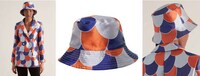
Australia-based fashion label Lack of Color has unveiled its first tweed collection, featuring eight new hats that are eco-friendly. Sustainably sourced fashion is at the forefront of contemporary style. Many companies are switching to sustainable production to reduce climate change and carbon emissions.
Each hat in the collection is made of sustainably sourced yarn, FCS viscose, cotton, and GOTS wool. Lack of Color used minimal water in the manufacturing process of the hats and, where possible, opted for recycled water. The headwear collection is “designed for spontaneous summer adventures and spur of the moment outings” and includes four bucket hats and three news-style caps.
The head accessories come in different colors and have been compared to the off-duty model style from the ‘90s. The collection is available on the Lack of Color website for your summer inspiration.
Image Credit: Lack of Color
What's Driving This Trend
- Sustainable Fashion
- The use of eco-friendly materials in fashion is trending, and there is an opportunity for businesses to capitalize on this through sustainable production methods.
- Retro Fashion
- Vintage fashion styles are making a comeback, and there is an opportunity for businesses to modernize and reimagine classic looks.
- Summer Hats
- Lightweight and stylish summer hats are a trending accessory, and there is an opportunity for businesses to design and market hats with an emphasis on versatility and sustainability.
Who This Affects Most
- Fashion and Apparel
- The fashion industry can adopt sustainable and eco-friendly production methods and invest in designing and producing vintage-inspired fashion.
- Textile Manufacturing
- Textile manufacturers can tap into the trend of sustainable fashion by sourcing environmentally friendly materials and investing in innovative production techniques.
- Retail and E-commerce
- Retailers and e-commerce platforms can cater to the demand for sustainable fashion and versatile summer accessories by promoting and selling eco-friendly products and collaborating with ethical fashion brands.