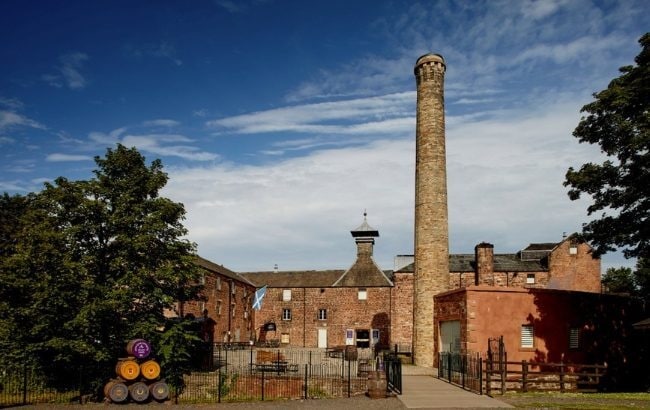
Annandale Distillery introduced a modular thermal storage system that will heat its stills using surplus wind power, developed with Exergy3 and Cochran and featuring ultra-high-temperature heat storage. The setup converts renewable electricity into stored thermal energy, then releases hot air at up to 1,200°C to feed a Cochran boiler and generate steam for distillation.
The system installed at Annandale uses three modules totaling 30 MWh of capacity, with reported round-trip efficiency up to 96% and under 1% thermal loss over 24 hours. Each module is compact (about the size of a garage), supplies hot air at roughly 530°C to a 3 MW boiler that produces steam at 10 bar, and was positioned as quick to commission.
For consumers and producers, the rollout removes fossil fuels from a heat-intensive stage of whisky making, lowering carbon footprint and operating costs while using otherwise wasted renewable electricity; it also demonstrates a scalable model for other food and heat-reliant industries seeking feasible decarbonization.
Image Credit: Annandale Distillery
Key Themes Behind This Trend
- Modular Thermal Storage
- Small, container-sized thermal modules enable scalable, site-specific replacement of fossil-fuel burners with stored renewable heat, creating opportunities for rapid deployment across varied industrial footprints.
- Ultra-high-temperature Storage
- Materials and systems capable of reliably storing and releasing heat above 1,000°C open pathways for electrified processes that require extreme temperatures, reducing dependence on combustion-based heat sources.
- Grid-integrated Heat Balancing
- Using excess renewable electricity to charge thermal inventories provides a buffer that aligns variable generation with continuous thermal demand, presenting a new vector for utility and load-management business models.
Where This Applies
- Distilling and Brewing
- The sector's intensive steam and heat requirements can be decarbonized through on-site high-temperature storage, enabling beverage producers to lower emissions and energy cost exposure.
- Industrial Heat and Steam Generation
- Large-scale manufacturers that rely on consistent high-grade heat stand to benefit from replacing fossil boilers with electrically charged thermal stores that offer high round-trip efficiency and low standby losses.
- Food Processing and Drying
- Processes such as pasteurization, drying, and sterilization could leverage modular thermal reserves to convert intermittent renewable input into reliable process heat, affecting supply chain carbon intensity and operational scheduling.