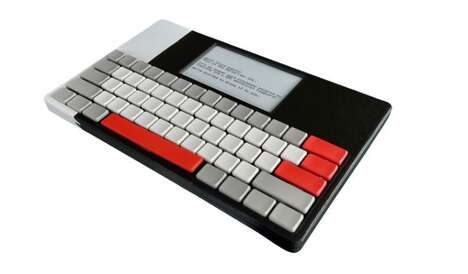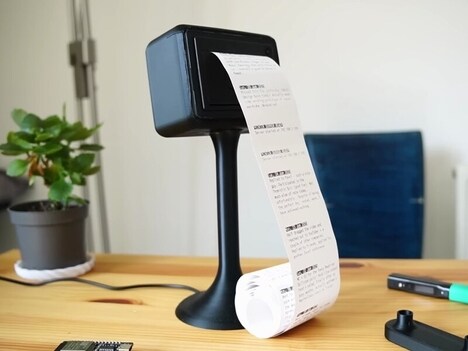

The makers of the PrePeat want you to imagine a world where trees aren’t ruthlessly slaughtered in the pursuit of printing memos and emails. The PrePeat is a revolutionary printer. Not only is it inkless, but it also reprints up to 1,000 times on the same sheet of paper.
How does the magic printing machine work, you ask? The PrePeat uses sheets of paper made from PET plastic. Put the paper into the printer and you get either a new document in black and white or a blank sheet of paper.
All of this tree-hugging comes at premium. The printer costs $5,600 and the paper for the PrePeat is in lots of 1,000 at $3,360 per lot. Hopefully the tech takes off and the price comes down. Hopefully.
Key Themes Behind This Trend
- Inkless Printing
- The Prepeat Inkless Printer introduces a new disruptive innovation opportunity by eliminating the need for ink in printing, reducing waste and costs.
- Reusable Paper
- The use of PET plastic paper in the Prepeat printer presents a disruptive innovation opportunity by allowing for multiple prints on the same sheet, reducing paper consumption and waste.
- Sustainable Printing
- The Prepeat printer offers a sustainable printing solution by minimizing the need for paper and ink, promoting eco-friendly practices in offices.
Where This Applies
- Printing Technology
- The inkless printing technology of the Prepeat printer creates opportunities for disruption in the printing industry by offering a more sustainable and cost-effective alternative.
- Office Supplies
- The development of reusable PET plastic paper in the Prepeat printer opens up market opportunities for eco-friendly office supplies, catering to the increasing demand for sustainable products.
- Green Technology
- The Prepeat printer contributes to the green technology industry by providing a innovative solution that reduces paper waste and promotes a more environmentally friendly approach to printing.