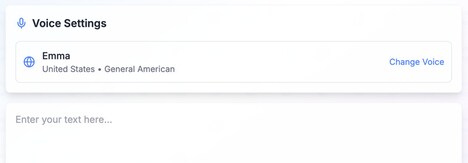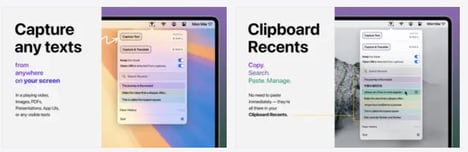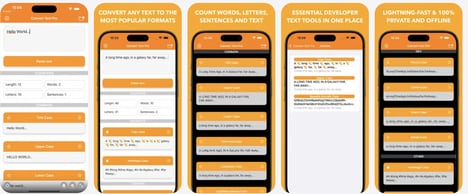
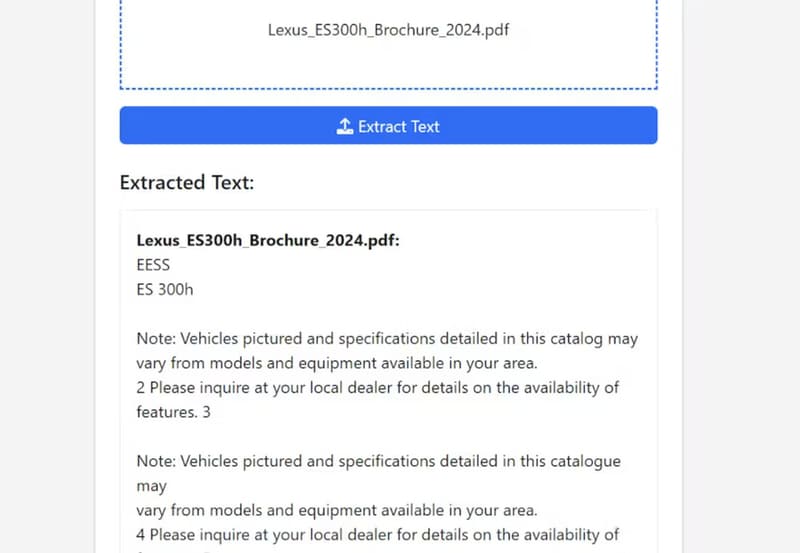
Text Extractor is a web-based OCR (Optical Character Recognition) tool designed to convert text embedded in images, PDFs, and presentations into editable formats. Users can upload files in common image formats such as JPG and PNG or document formats like PPT and PDF, and the platform identifies and extracts the textual content.
The tool is positioned as a fast and accessible solution for individuals or businesses that need to digitize printed or graphical text without manual retyping. Its web-based interface allows immediate processing without requiring software installation, supporting cross-platform accessibility. For business use, Text Extractor can streamline document workflows, enable searchable content, and facilitate data extraction from scanned or image-based reports. By automating the conversion process, it reduces time and error in text digitization tasks.
Image Credit: Text Extractor
Why This Trend Is Growing
- Web-based Ocr Accessibility
- Cloud-hosted OCR platforms lower adoption friction by providing instant, installation-free text digitization across devices, which opens possibilities for ubiquitous document processing services.
- Automated Document Workflows
- Seamless extraction-to-structure pipelines transform scanned and image-based inputs into machine-readable records, creating scope for end-to-end automation of information-heavy business processes.
- Cross-format Text Extraction
- Unified handling of images, PDFs, and presentations consolidates disparate content types into a single searchable layer, enabling novel analytics and knowledge management capabilities.
Industries Being Reshaped
- Legal Services
- High-volume intake of contracts and evidence can be converted into searchable, structured repositories, supporting faster discovery and case preparation workflows.
- Healthcare Records Management
- Digitization of paper charts and scanned forms produces interoperable patient records that improve accessibility for clinical decision support and retrospective analysis.
- Financial Services
- Extraction of text from statements, reports, and scanned forms yields structured transaction and compliance data suited for automated audit, risk assessment, and analytics.