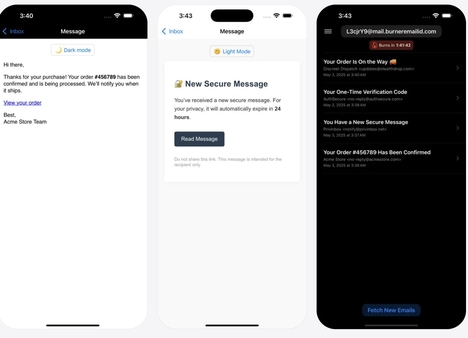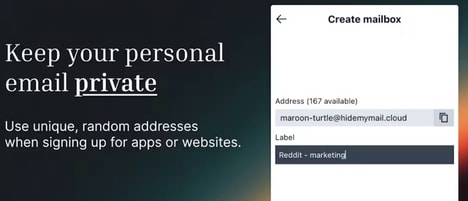
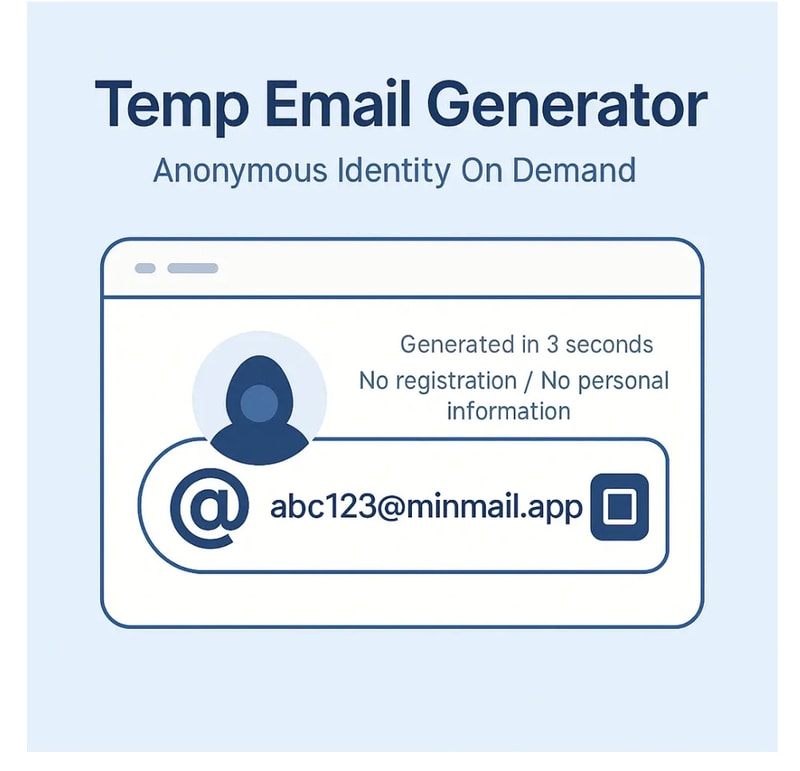
Temp Mail is a temporary email service that operates within the digital privacy and online security space, focusing on providing instant disposable addresses for short-term use. Users can generate a temporary inbox in seconds, use it for signups, verifications, or downloads, and allow it to automatically expire after a set period.
The system supports anonymity by separating personal email identities from online interactions, especially in situations where spam prevention or privacy is important. Messages arrive in a lightweight inbox that requires no registration or setup, making access immediate and friction-free. The experience fits into modern internet behaviour where users frequently interact with services that request email verification but do not require long-term communication. By introducing self-destructing inboxes, it changes email from a permanent identity into a flexible, time-bound utility that exists only as long as it is needed.
Image Credit: Temp Mail
What's Driving This Trend
- Disposable Identity Management
- Emerging demand for throwaway contact points enables platforms to remap user identity into ephemeral tokens that reduce long-term data liabilities while preserving service access.
- Self-destructing Communications
- Messages and inboxes that expire on a timer open possibilities for time-bound message ecosystems that decouple communication history from digital records.
- Frictionless Verification
- A shift toward instant, no-registration verification flows encourages rethinking authentication as lightweight, transient proofs rather than persistent credentials.
Who This Affects Most
- Email Security
- Security vendors can integrate disposable inboxes to segment threat exposure and offer ephemeral relay layers that limit spam vectors and credential harvesting.
- Marketing Technology
- Marketing stacks may face pressure to innovate around audience hygiene and attribution models as disposable addresses disrupt long-term customer signaling and tracking.
- Identity and Access Management
- IAM solutions could evolve to support time-limited access tokens tied to ephemeral communication endpoints, reducing persistent identity attack surfaces.