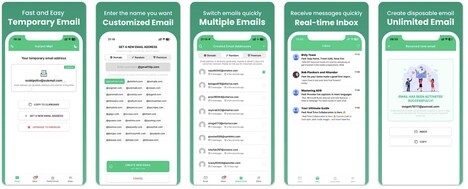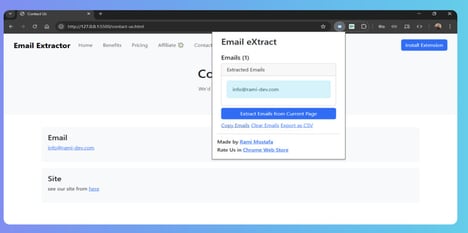
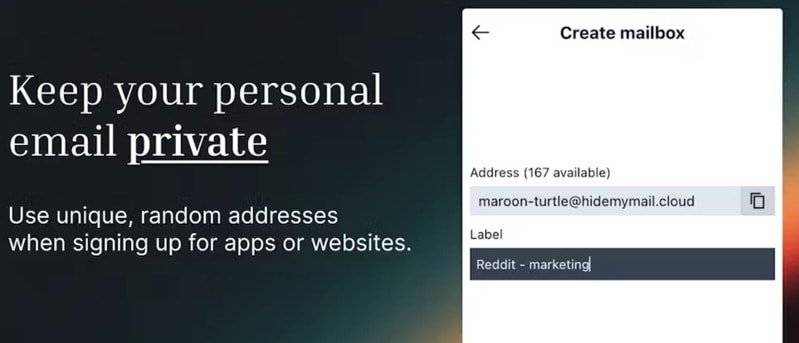
Hide My Email is an open-source browser extension designed to enhance email privacy during online sign-ups. It allows users to generate unique, random email addresses that automatically forward messages to their primary inbox. This approach helps limit exposure of personal email accounts while maintaining access to incoming communications.
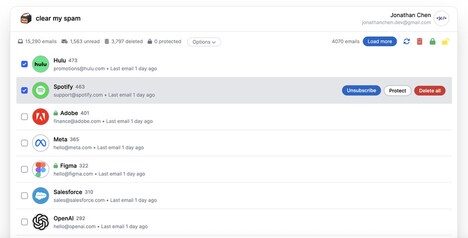
From a business and productivity perspective, the tool supports better inbox management by reducing spam, tracking sign-up sources, and isolating unwanted or compromised addresses. Its open-source nature promotes transparency and allows developers or organizations to review, modify, or extend its functionality. The extension is particularly relevant for professionals who frequently register for services, trials, or platforms and want to manage digital identity more securely. By separating online interactions from personal email accounts, Hide My Email contributes to improved privacy, security, and long-term communication control.
Image Credit: Hide My Email
What's Driving This Trend
- Disposable Email Adoption
- Widespread use of one-off email addresses creates potential for new privacy-preserving routing layers that decouple user identity from service interactions.
- Open-source Privacy Tools
- Transparent, community-driven extensions enable modular privacy stacks that can be audited and extended by enterprises to meet regulatory and trust requirements.
- Email Address Tokenization
- Mapping randomized address tokens to primary inboxes introduces opportunities for granular tracking, monetization, and automated policy enforcement per address.
Who This Affects Most
- Cybersecurity Services
- Security vendors can incorporate ephemeral-address monitoring and phishing-resistant forwarding as part of layered email defense offerings.
- Marketing Analytics
- Masked addresses shift attribution models and create space for analytics platforms that reconcile privacy-first identifiers with campaign measurement.
- Identity Management
- Identity providers can expand into pseudonymous identifier services that give organizations persistent yet privacy-protective user relationships.