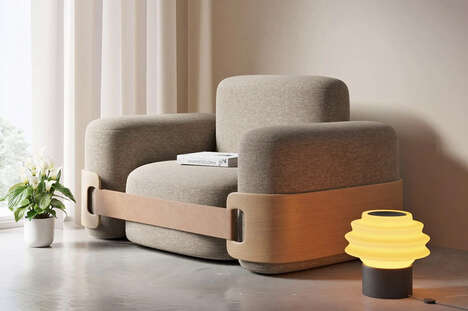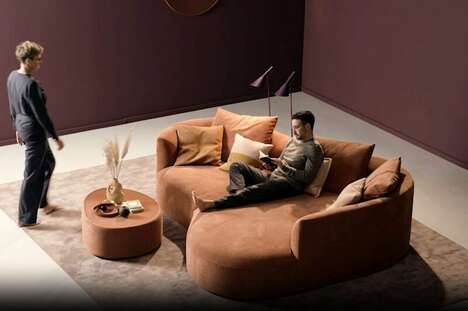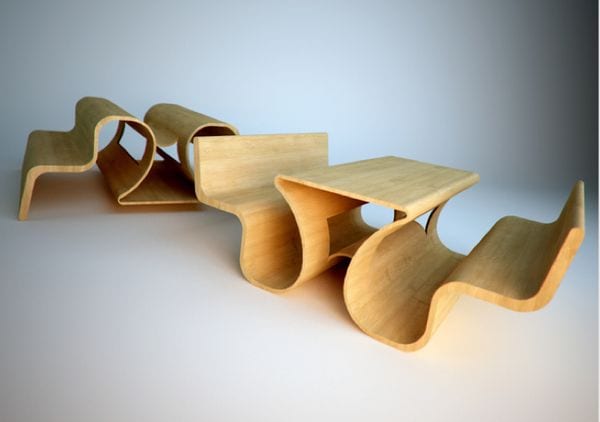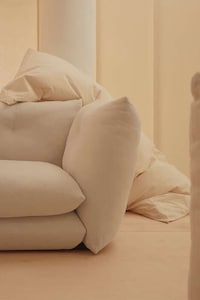


The primary difference between an armchair and a couch is the length of the latter, and a feature which this contemporary sofa by Can Guvenir seems determined to accentuate. The peculiar composition of the piece delivers the impression that it did actually begin with a much shorter frame.
Each of the identical solid sides of the chesterfield would be constructed into rigid geometric forms from polyurethane to shape a seat, an armrest and a backrest. They would then be covered in leather to add a an element of softness and sophistication. Thick wooden supports appear to angle the halves upwards towards the inside, revealing a level lumber chair embedded in the middle. Like a separated loveseat, this sofa by Can Guvenir accommodates a third sitter in the center, or a place to serve as a side table for books and beverages.
What Makes This Trend Stand Out
- Modular Furniture
- Opportunity for companies to create furniture that can be easily adjusted and reconfigured based on the number of sitters.
- Multi-functional Design
- Potential for designers to create furniture that serves multiple purposes, such as seating and a side table.
- Geometric Aesthetics
- Rise of furniture designs that incorporate rigid geometric forms for a modern and sleek look.
Sectors Adopting This
- Furniture Manufacturing
- Manufacturers have the potential to explore new production methods and materials to create innovative and customizable furniture designs.
- Interior Design
- Interior designers can leverage modular furniture and multi-functional design for versatile and stylish solutions in various spaces.
- Luxury Retail
- Luxury retailers can capitalize on the trend of geometric aesthetics by offering high-end furniture pieces with sophisticated designs.