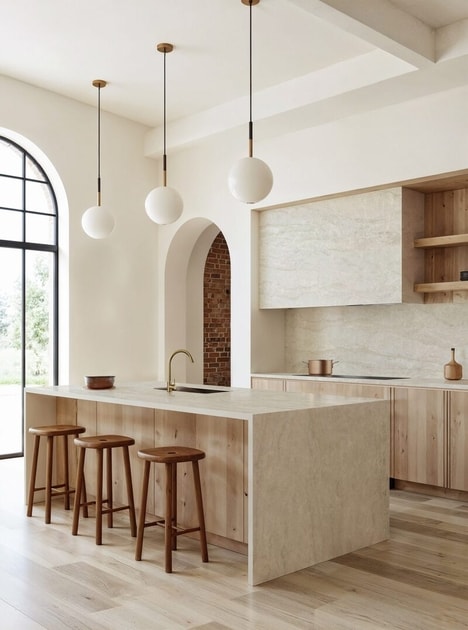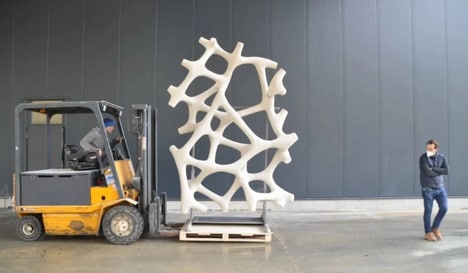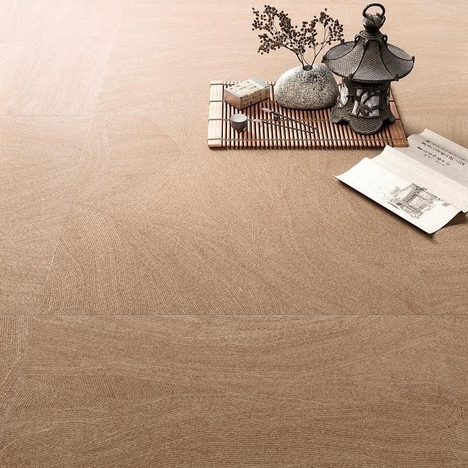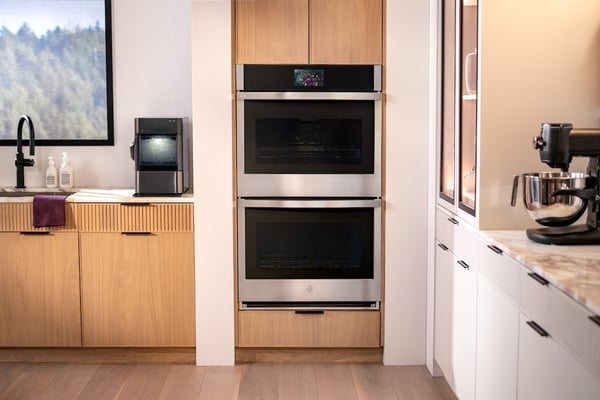
Stockholm startup Enkei launched ReCeramix™, an architectural surface material made from more than 90% recovered construction and ceramic waste, designed to replace marble, terrazzo and decorative concrete while using green electricity. The founders, Lovisa Sunnerholm and Miriam Bichsel, introduced the product after prototyping with lighting and small design objects to validate manufacturing and performance.
ReCeramix™ reduces cement content by up to 80% versus conventional decorative concrete and has been specified for tabletops, window sills and interior elements for clients such as Ett Hem and Fotografiska. Enkei raised a pre-seed round at a €3 million valuation to scale production and broaden architectural use, with investors and collaborators including architect Anders Lendager and material scientists who will support industrial development.
The material matters because it diverts demolition waste from landfill while lowering embodied carbon in interiors, aligning with rising demand for circular building materials and sustainable design solutions.
Image Credit: Enkei
What's Driving This Trend
- Circular Construction Materials
- A shift toward building elements made from reclaimed demolition and industrial waste presents opportunities for replacing virgin stone and concrete with lower-embodied-carbon alternatives.
- Waste-derived High-performance Surfaces
- Materials engineered from over 90% recovered ceramic and construction residues enable decorative surfaces that match or exceed traditional marble and terrazzo in aesthetic and durability.
- Low-carbon Decorative Alternatives
- Demand for interior finishes that cut cement content and use green electricity is creating space for novel composites that significantly reduce lifecycle emissions.
Who This Affects Most
- Architecture & Interior Design
- Specification practices are evolving toward selectable circular materials for tabletops, sills, and bespoke interiors that align with sustainability credentials and client narratives.
- Construction Materials Manufacturing
- Producers can reconfigure process flows to incorporate high percentages of recovered feedstock and low-carbon energy, disrupting commodity cement and stone markets.
- Waste Management & Recycling
- Demolition and ceramic waste streams hold increased value as they become feedstock for higher-margin architectural products, shifting the economics of deconstruction and sorting.