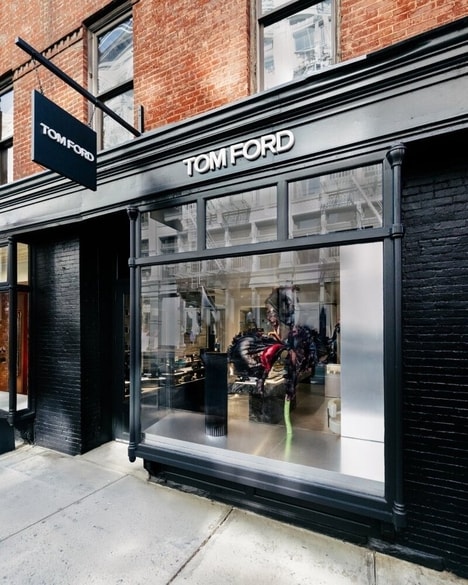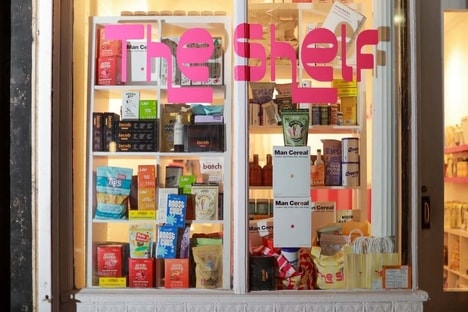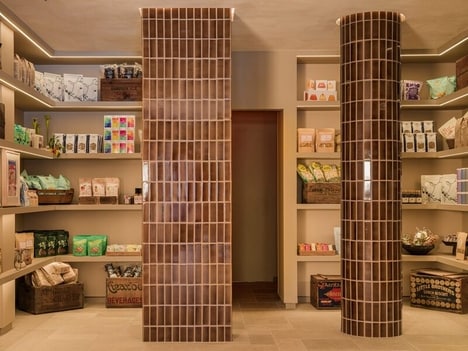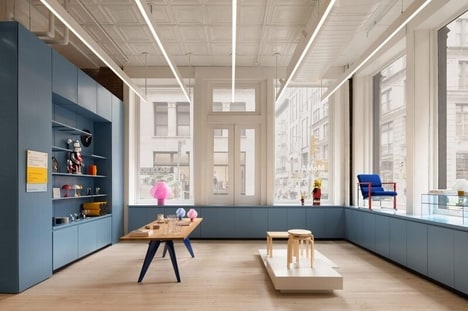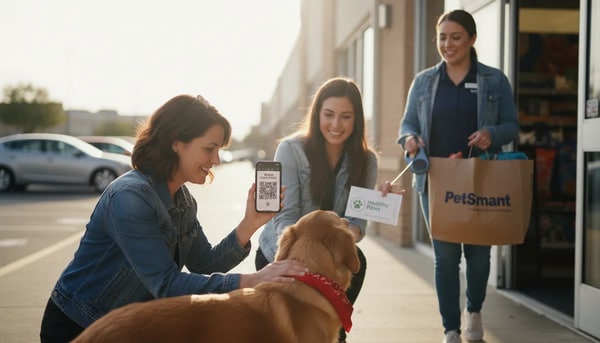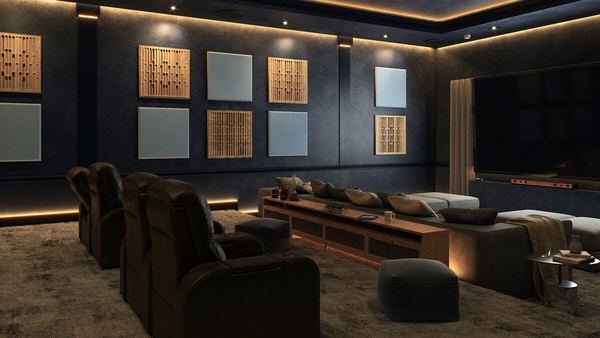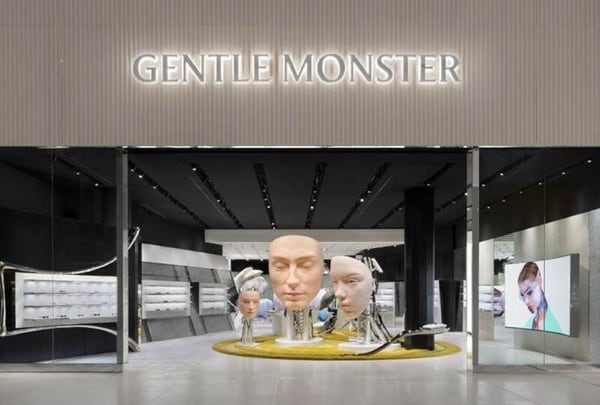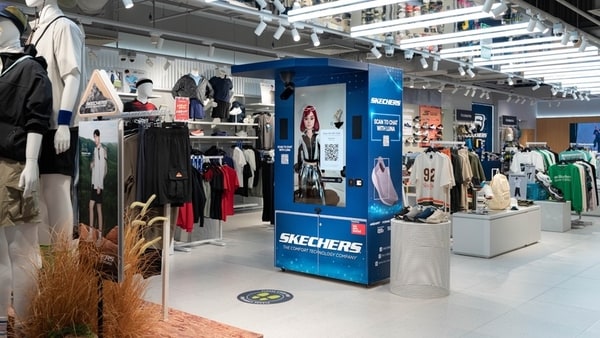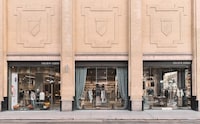
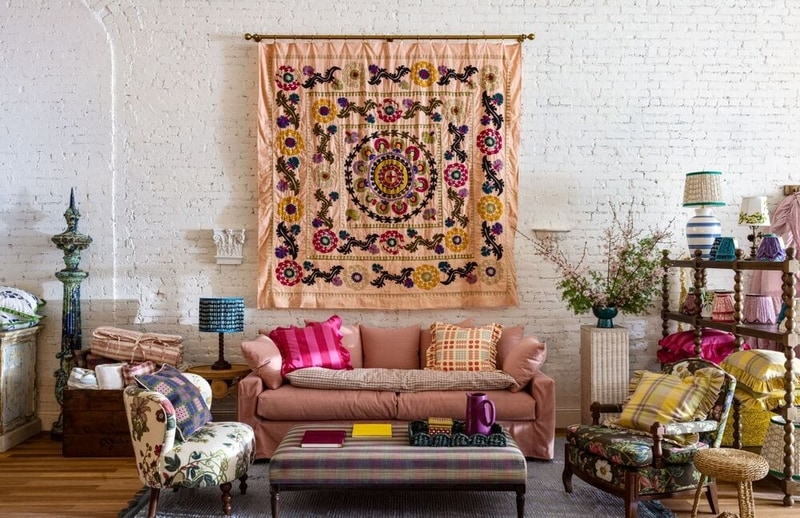
GreenRow, a direct-to-consumer home brand under William-Sonoma Inc., opened its first physical SoHo store, marking the label’s transition from online-only retail to a brick-and-mortar presence featuring curated home goods. The debut store showcased the brand’s product range in a compact urban footprint, designed to translate its e-commerce assortment into tactile merchandising with in-store displays and browsing zones.
William-Sonoma positioned the SoHo location as a way to test experiential retail concepts and gather shopper feedback, pairing digital order options with immediate pickup and staff-led product demonstrations. For consumers, GreenRow’s store offers the chance to touch products before purchase and access quicker fulfillment, reflecting a broader trend of DTC brands using flagship stores to deepen customer relationships and drive omnichannel sales.
Image Credit: William-Sonoma
Why This Trend Is Growing
- DTC Physical Flagships
- A move from online-only to compact urban storefronts enables direct-to-consumer brands to convert digital audiences into in-person relationships, creating opportunities to reconfigure retail footprints for brand-led commerce.
- Omnichannel Fulfillment Integration
- Retail environments that blend digital ordering with immediate pickup and local fulfillment point to new hybrid logistics models that compress delivery timelines and redistribute inventory closer to consumers.
- Experiential Micro-retail
- Curated, small-format stores focused on tactile product engagement and staff-led demonstrations highlight potential for immersive, education-driven retail experiences that deepen customer loyalty.
Industries Being Reshaped
- Home Furnishings Retail
- Brands in this sector could use compact flagship spaces to test assortments and material storytelling, shifting merchandising strategies from broad catalogs to sensory-driven collections.
- Supply Chain and Fulfillment
- Localized pickup and faster fulfillment needs suggest novel last-mile distribution and inventory pooling solutions that change warehouse-to-consumer flows.
- Retail Technology and Point-of-sale
- Systems that seamlessly tie e-commerce orders to in-store experiences and staff demonstrations indicate demand for integrated POS, inventory visibility, and clienteling platforms.