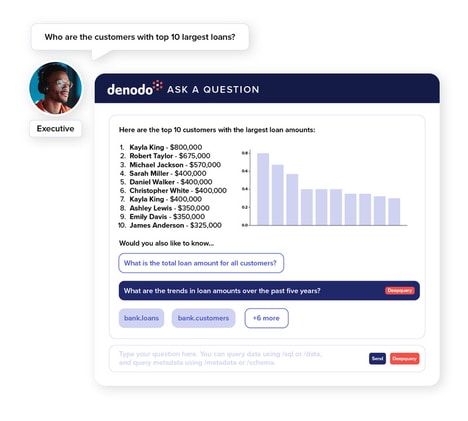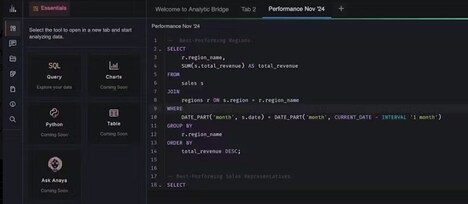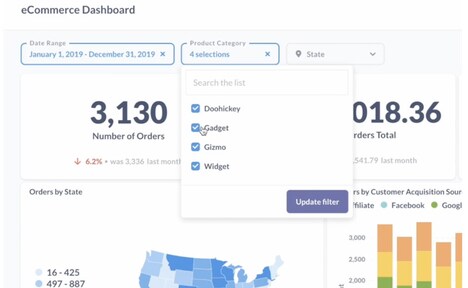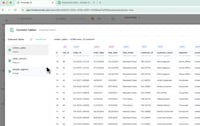
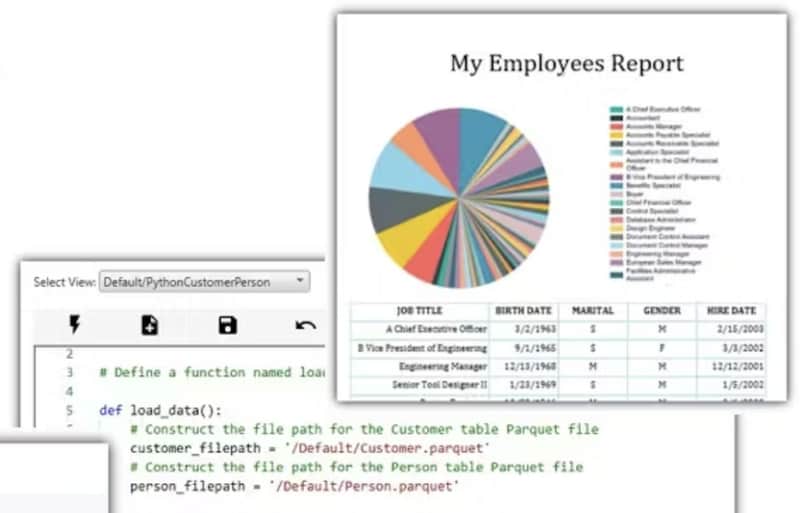
Personal Data Warehouse operates within the local data engineering and analytics space, focusing on giving users full control over importing, transforming, analysing, and exporting datasets directly on their own device. It is designed for individuals and teams who prefer privacy-focused workflows while still requiring advanced data processing capabilities.
Users can work with familiar programming languages such as Python or C# to perform transformations, supported by AI-assisted functionality that streamlines complex data operations. The system is positioned as a self-contained environment for building personal or small-scale data pipelines without relying on external cloud infrastructure. Its value lies in combining flexibility, local execution, and programmability within a single workflow. It appeals to developers, analysts, and technical users who need structured data handling while maintaining control over where and how their data is processed.
Image Credit: Personal Data Warehouse
What Makes This Trend Stand Out
- On-device Data Processing
- Localized execution of data pipelines reduces dependency on centralized cloud infrastructure and enables high-performance analytics directly on user devices.
- Privacy-first Analytics
- A focus on user-controlled import, transformation, and storage of datasets introduces new models for secure, consent-driven data services.
- AI-assisted Local Engineering
- Integrating AI to streamline complex transformations and coding tasks on personal devices reshapes how technical users build and maintain bespoke data workflows.
Sectors Adopting This
- Enterprise Analytics
- Organizations can adopt self-contained analytics environments to support sensitive internal reporting without exposing datasets to third-party clouds.
- Healthcare Data Management
- Handling patient records and clinical datasets entirely on-premise or on-device offers pathways to comply with strict privacy regulations while preserving analytical capabilities.
- Financial Services Compliance
- Local data warehouses present opportunities for firms to retain transaction and KYC data under tighter control, reducing regulatory and audit exposure tied to external storage.