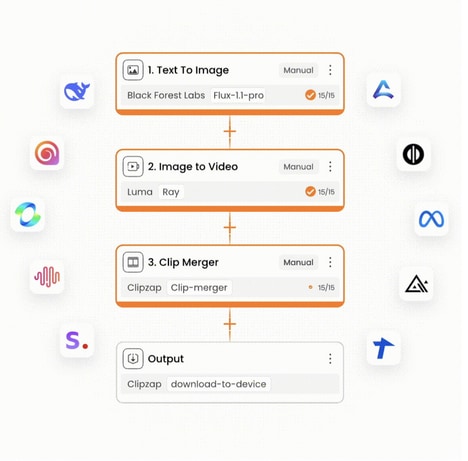

Overlap AI positions itself at the intersection of generative AI and video marketing automation, offering a multimodal agent designed to handle editing and short-form content creation. By combining inputs across formats—such as video, audio, and text—it reflects a broader shift toward AI systems capable of managing end-to-end creative workflows.
From a business perspective, it targets brands and creators operating in high-volume content environments where speed and consistency are critical. The focus on autonomous editing aligns with increasing demand for scalable video production, particularly for platforms prioritising short-form content. Its positioning as a “video marketing agent” suggests a move beyond tools toward task-oriented AI systems. Long-term differentiation will likely depend on output quality, adaptability to brand voice, and how effectively it integrates into existing marketing and distribution pipelines.
Image Credit: Overlap AI
What's Driving This Trend
- Multimodal Creative AI
- AI systems that ingest and synthesize video, audio, and text enable unified creative pipelines that can fundamentally change how content is generated and personalized at scale.
- Autonomous Video Editing
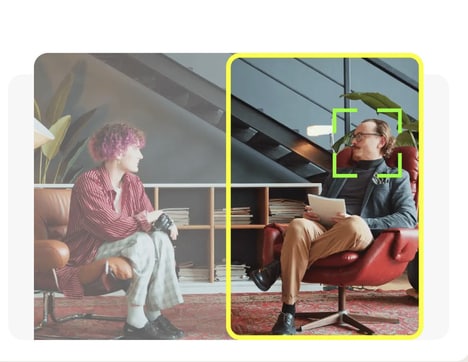
- Automated editing agents capable of producing platform-optimized short-form clips shift value from manual postproduction toward algorithmic storytelling and rapid iteration.
- Task-oriented Marketing Agents
- AI positioned as domain-specific agents for marketing tasks blurs the line between tools and autonomous collaborators, reshaping team roles and campaign orchestration.
Who This Affects Most
- Digital Advertising
- Programmatic ad ecosystems could leverage automated, brand-adaptive video assets to increase personalization and compress creative lead times.
- Social Media Platforms
- Platform algorithms and creator monetization models may be disrupted by high-volume AI-generated short-form content that changes engagement patterns and moderation needs.
- Marketing-tech
- Martech stacks incorporating multimodal agents present opportunities for deeper automation of content pipelines and tighter integration between creative output and distribution analytics.